Paisley History
Explore the rich heritage and fascinating history of Paisley
98 articles
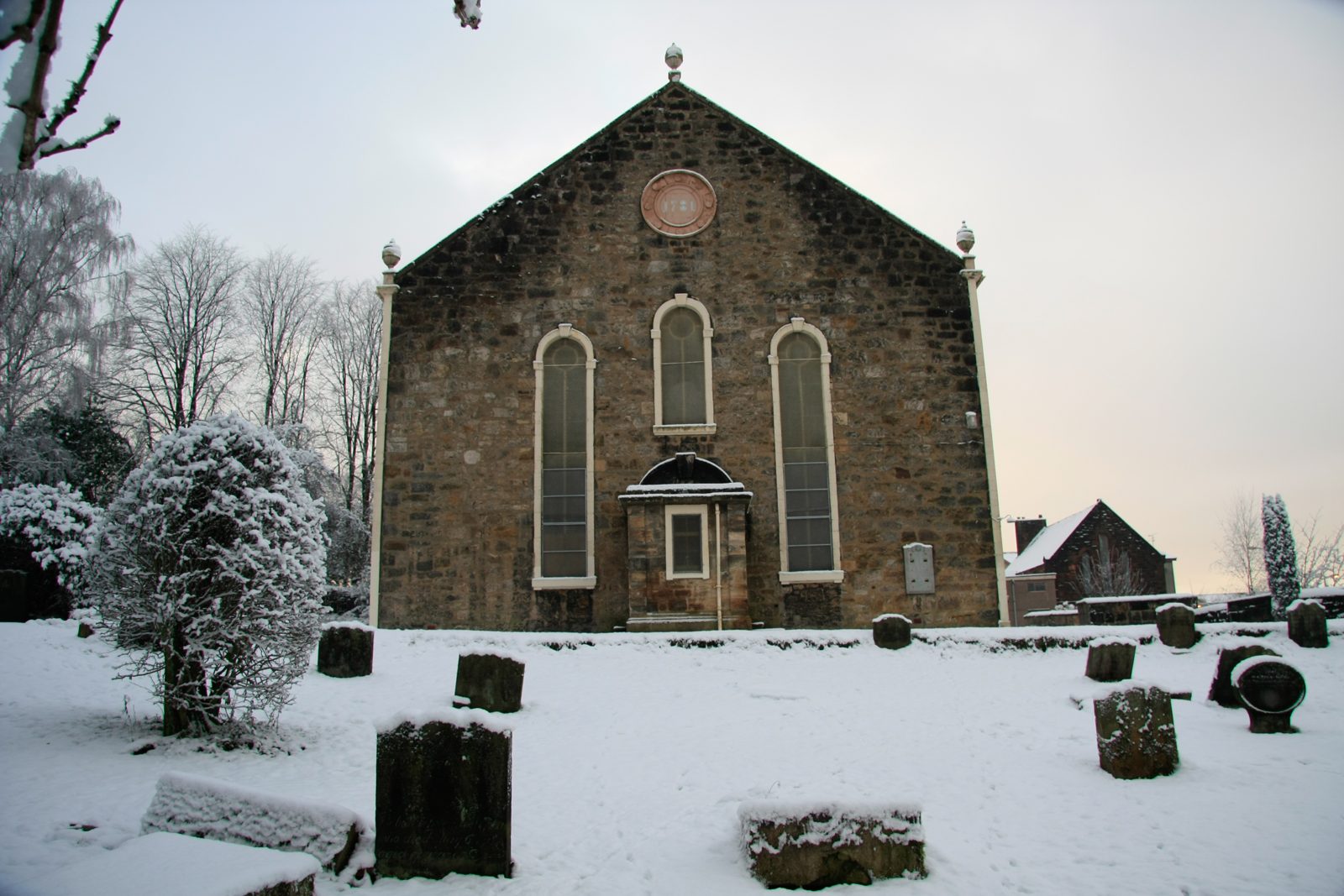
When the Reagans Came to Castlehead: Paisley, October 1991
In October 1991 Ronald and Nancy Reagan slipped into a Sunday service at Castlehead Church, Paisley, to honour his Wilson ancestors.
Robert Tannahill: Paisley’s Weaver Poet
The life of Robert Tannahill (1774–1810), Paisley’s weaver poet — songs written at the loom, “The Braes o’ Balquhidder”, the Gleniffer Braes and his lasting legacy.
Paisley Museum and Coats Observatory: Thread Money, Stars and a Museum Reimagined
The story of Paisley Museum (opened 1871) and Coats Observatory (1883) — Coats philanthropy, star-set time for the Town Hall, and the £68.7m reimagining.
Sma’ Shot Day: Paisley’s Workers’ Holiday
The story of Sma’ Shot Day — the 1856 weavers’ victory over unpaid “sma’ shot”, the first Saturday in July, the Burning of the Cork and the 1986 revival.
The Paisley Pattern and Shawls: How Kashmir’s Motif Took a Scottish Town’s Name
How the Kashmir buta became the “Paisley” pattern — Indian origins, Paisley’s shawl weavers, Jacquard looms, decline after c.1870, and the motif’s global afterlife.
Thread Town: Coats, Clark & the Making of Modern Paisley
How Clark and Coats turned Paisley from a weaving town into a global thread capital — and left Museum, Town Hall, and Observatory on the skyline.
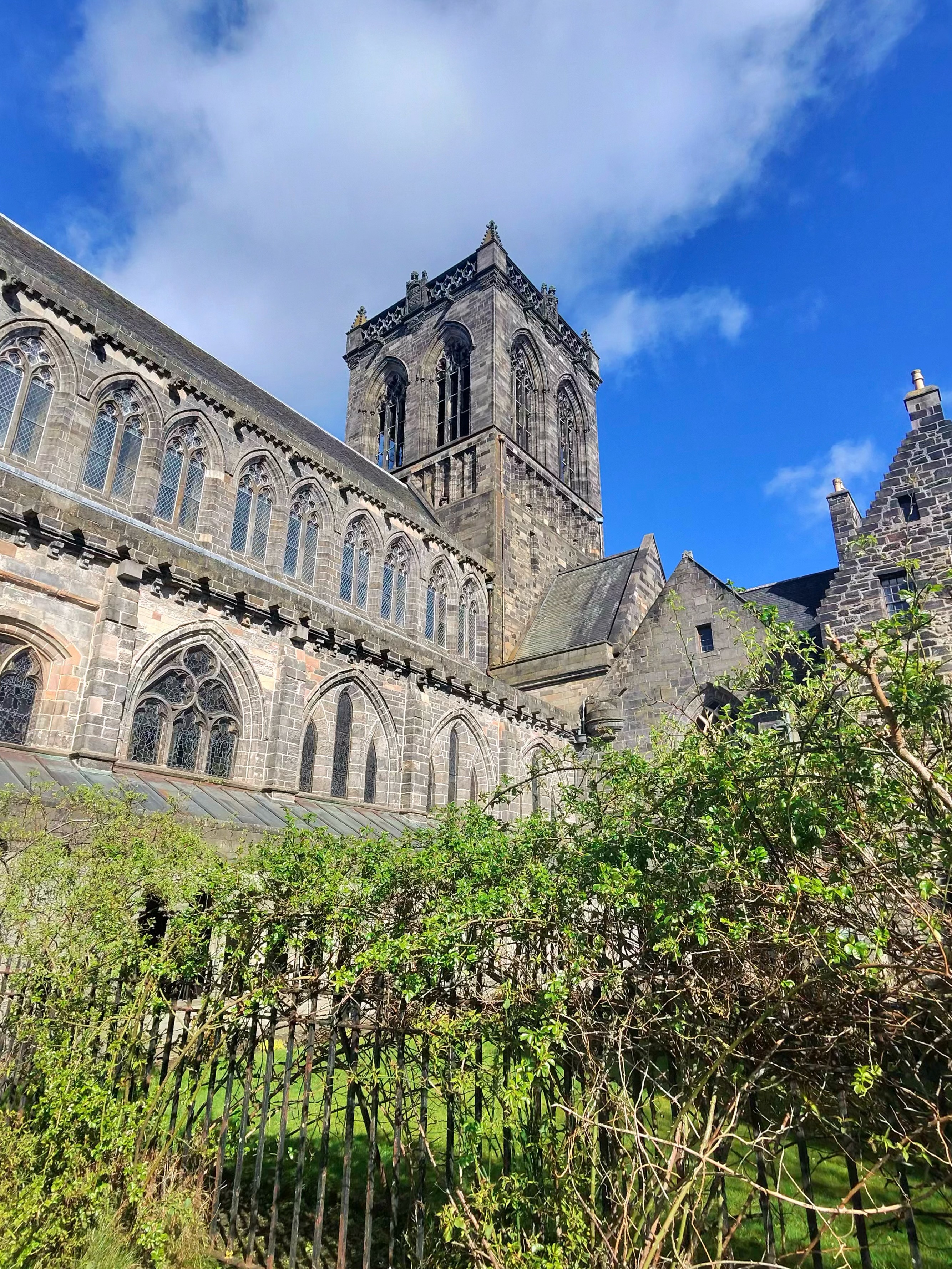
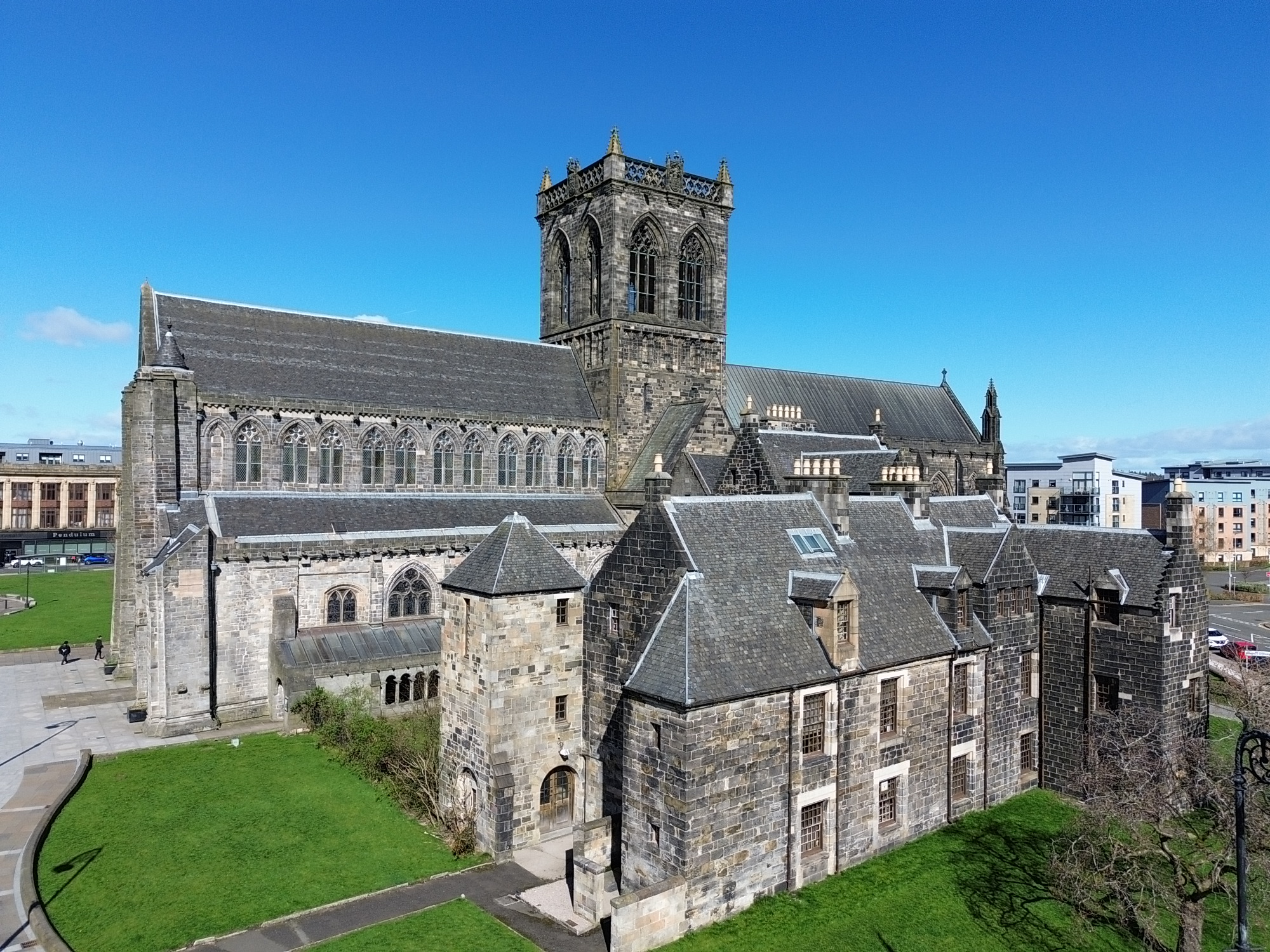
Paisley Abbey: From Priory to Parish
Paisley Abbey’s story across more than 850 years — from St Mirin’s tradition and a Cluniac priory to Stewart “cradle,” parish church, and today’s landmark.
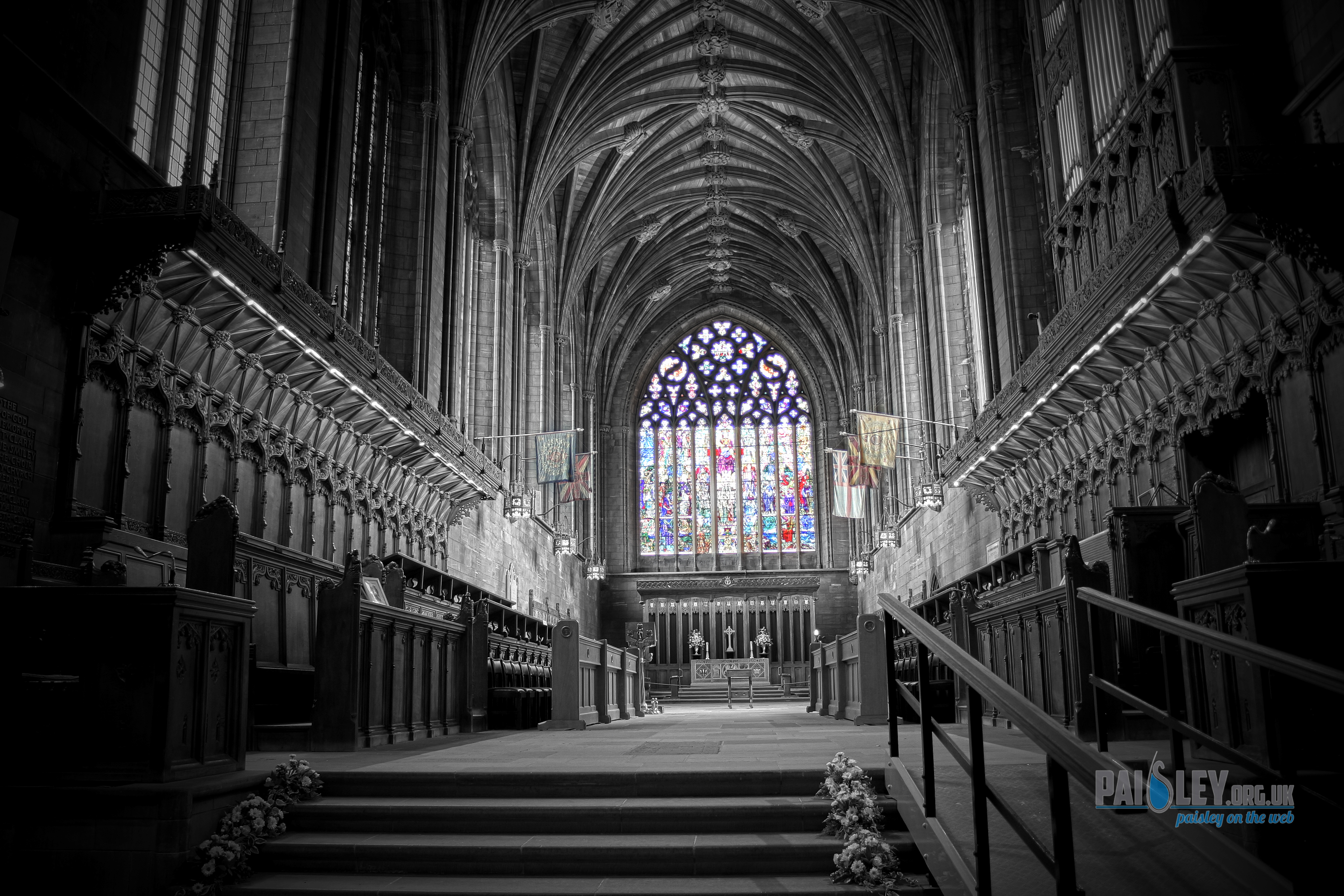
Paisley Abbey: 850 Years of History You Need to Know
Discover 850 years of Paisley Abbey's remarkable history in Renfrewshire, from medieval monastery to cultural landmark shaping Scotland's heritage.
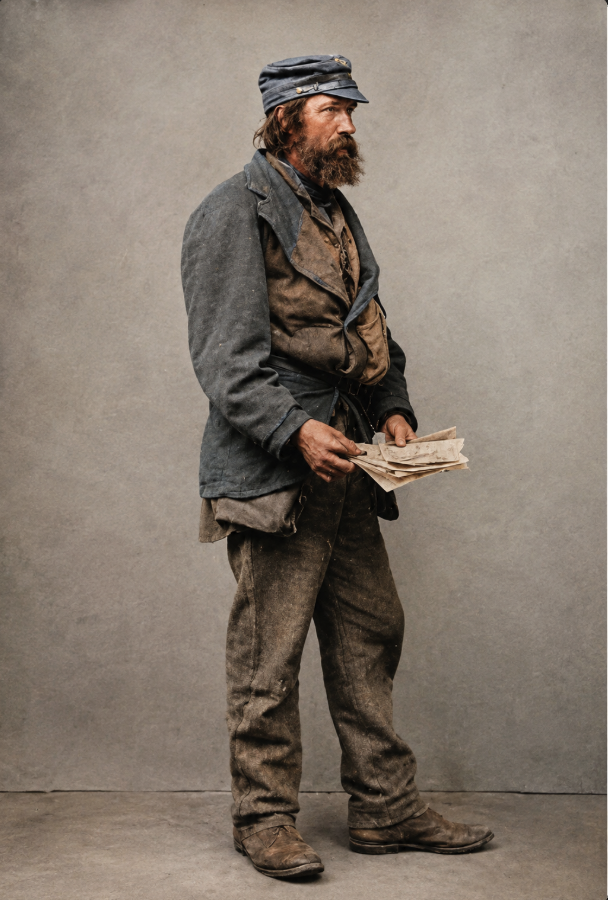
Pioneers and Paupers: Daunie Weir, The Paisley Perambulator
The latest in our Pioneers and Paupers series looks back at Daunie Weir (1813-1879), the Paisley weaver turned street hawker known as "The Paisley Perambulator", famed for reciting ballads on the High Street and his barefoot walk from Edinburgh to Paisley.
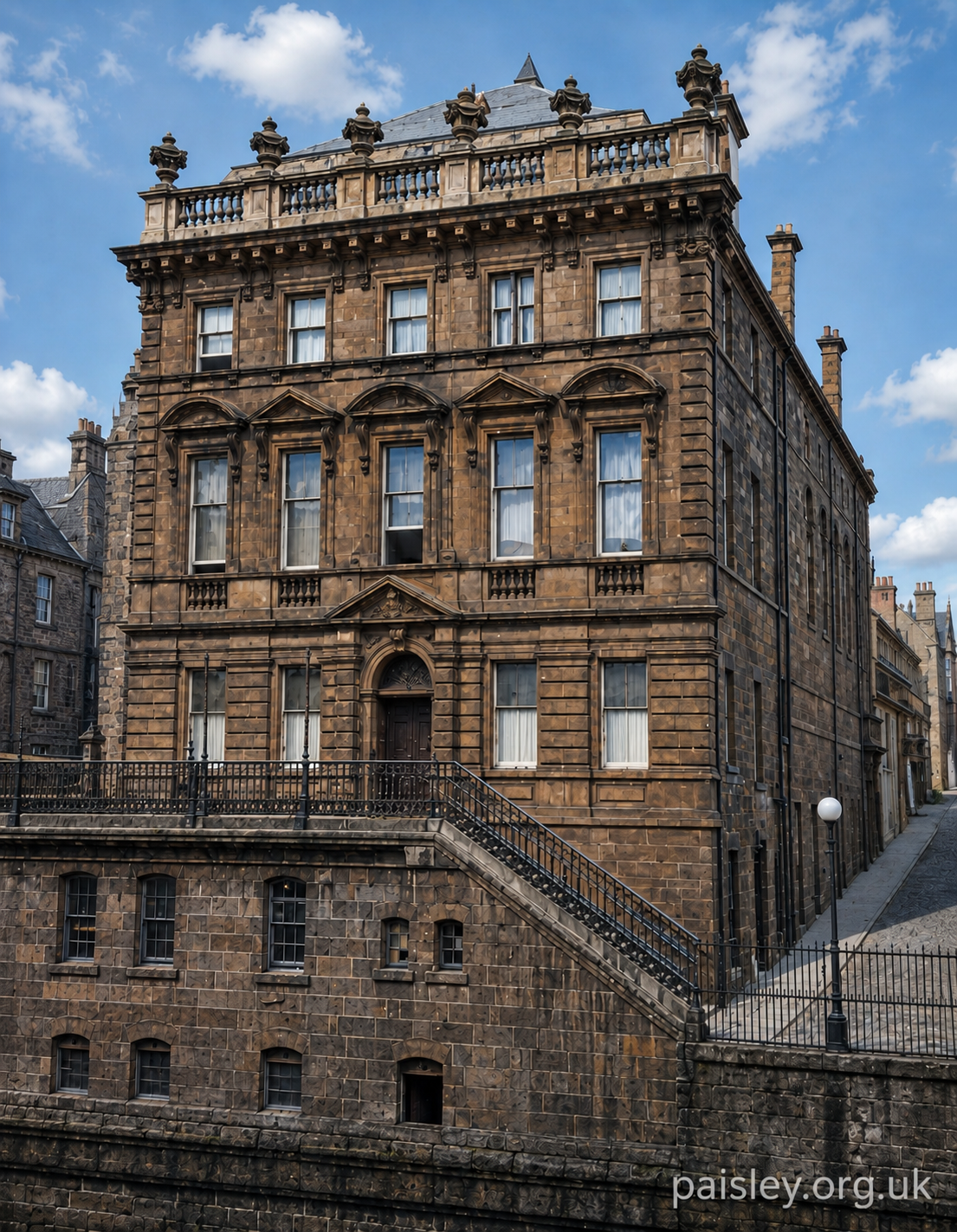
The Good Templars Halls: A Lost Landmark on the River Cart
One unusual old postcard offers a striking view of the Good Templars Halls in Paisley, seen from across the River Cart.
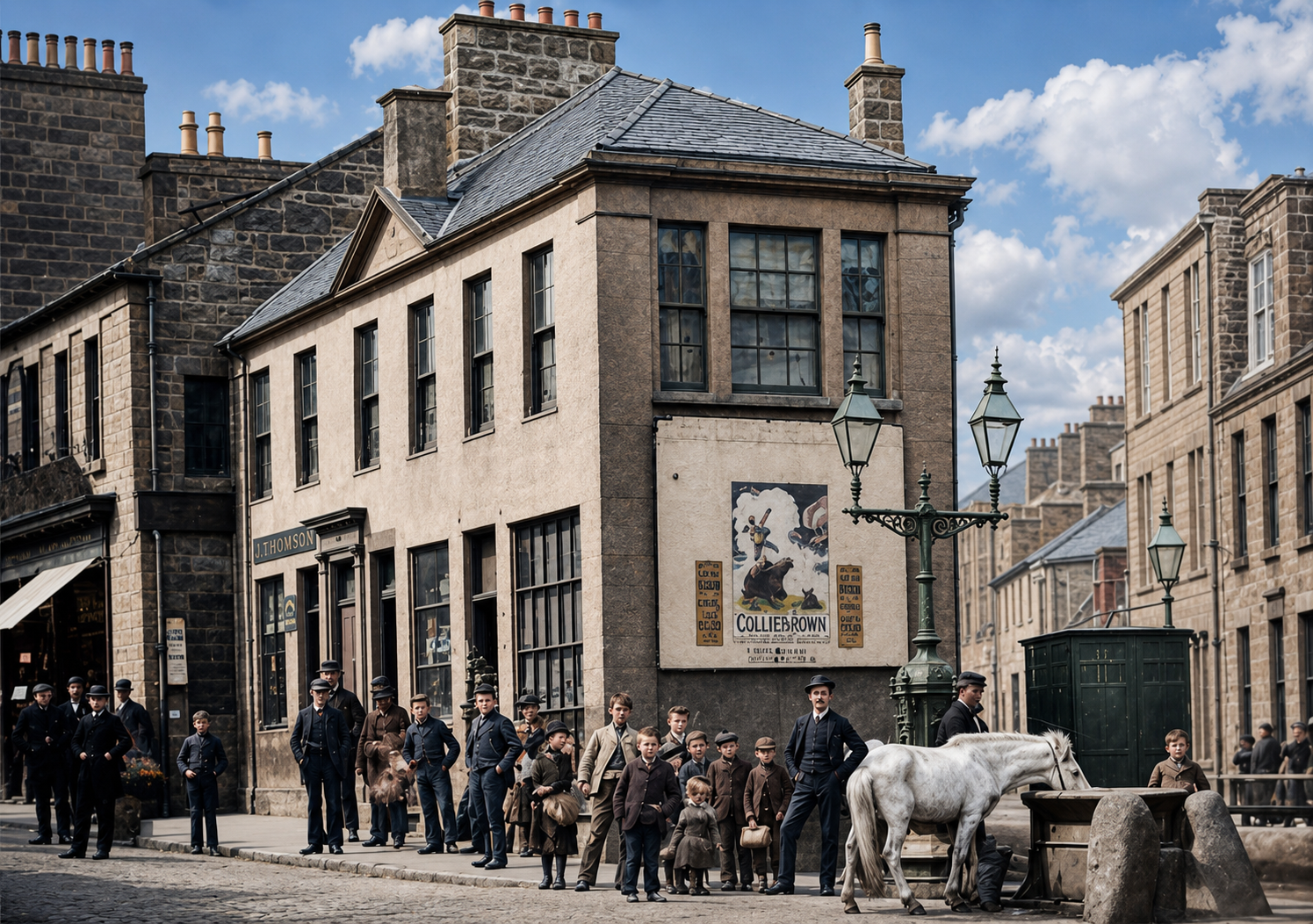
The Story Behind Paisley’s Famous “Coffin End”
The nickname was traditionally associated with the West End Cross area of Paisley, a busy junction that was once marked by a distinctive clock tower and surrounded by a collection of historic buildings.
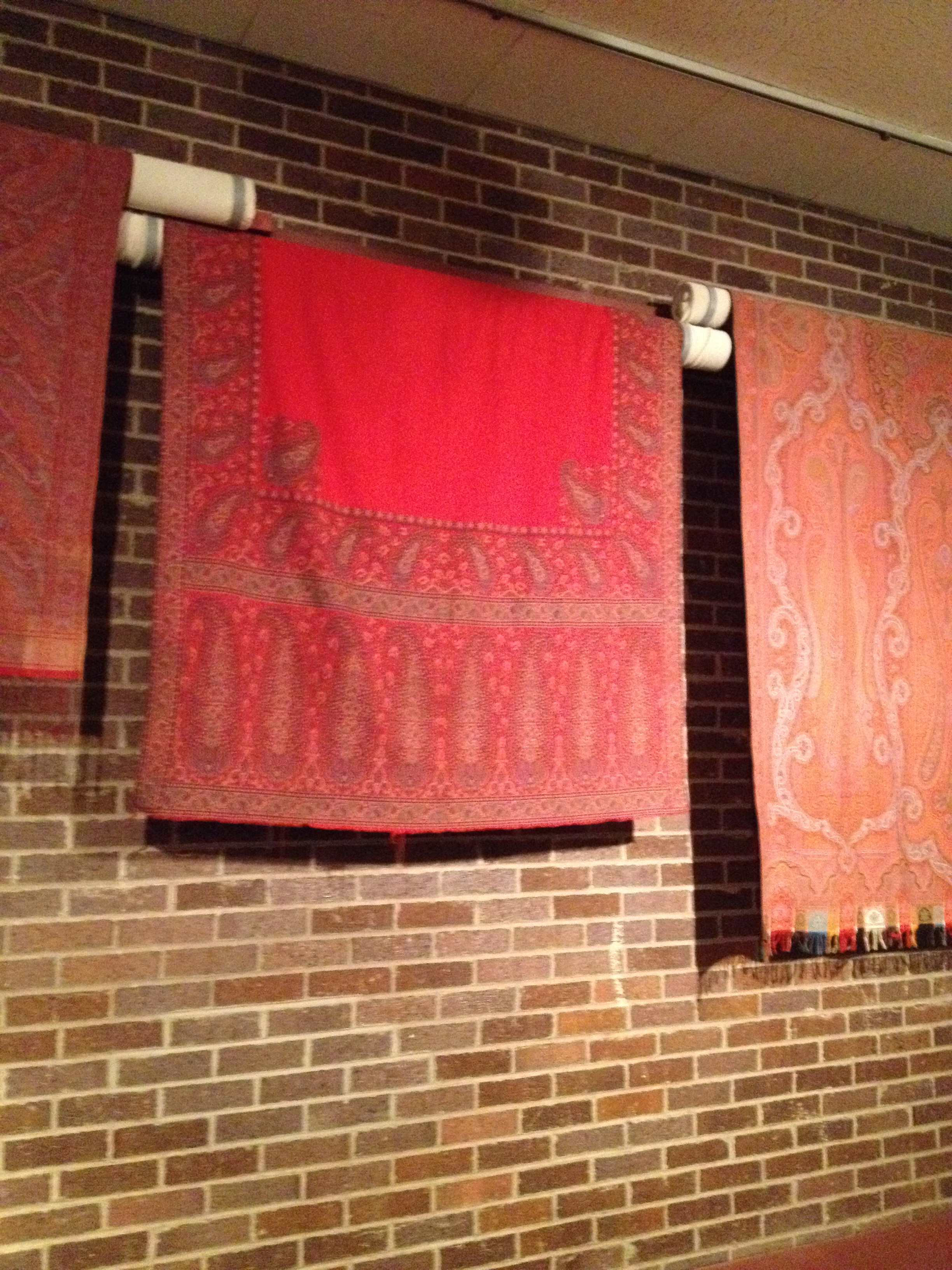
The Paisley Pattern Story: From India to Global Icon
Discover how the iconic Paisley pattern travelled from ancient Persia and India to become synonymous with Scotland's largest town, transforming global fashion forever.
Sma' Shot Day Explained: Paisley's Unique Workers Holiday
Discover the fascinating history behind Sma' Shot Day, Paisley's unique workers' holiday celebrating the town's weaving heritage and labour rights victory.
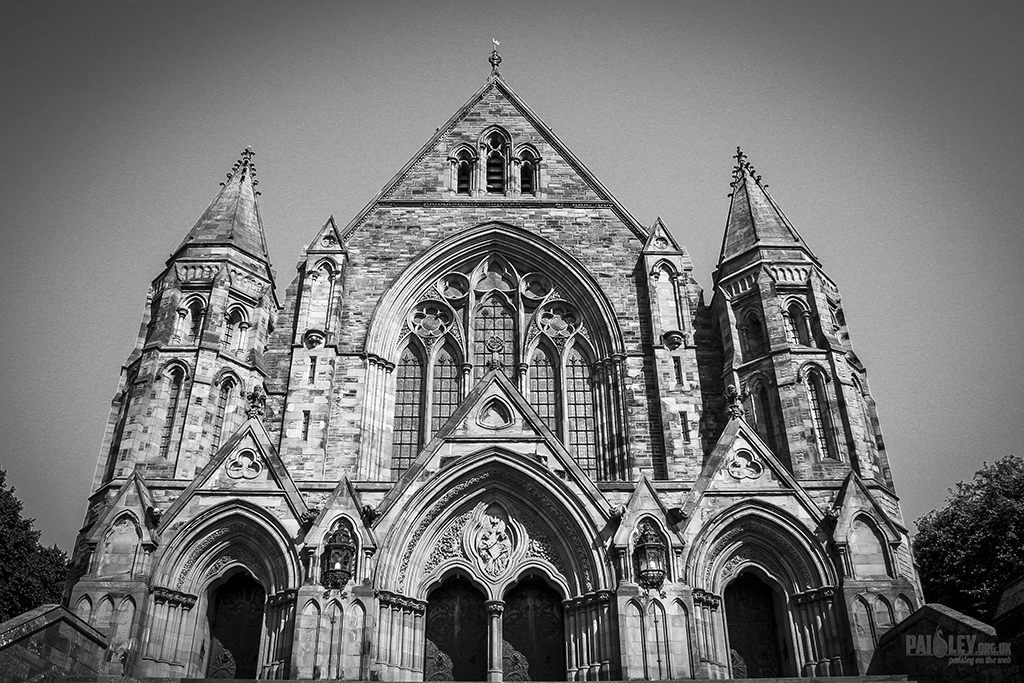
Thomas Coats: The Threadmaker Who Transformed Paisley Forever
Discover how Thomas Coats revolutionised Paisley's thread industry, built philanthropic landmarks, and shaped Renfrewshire into a global textile powerhouse.
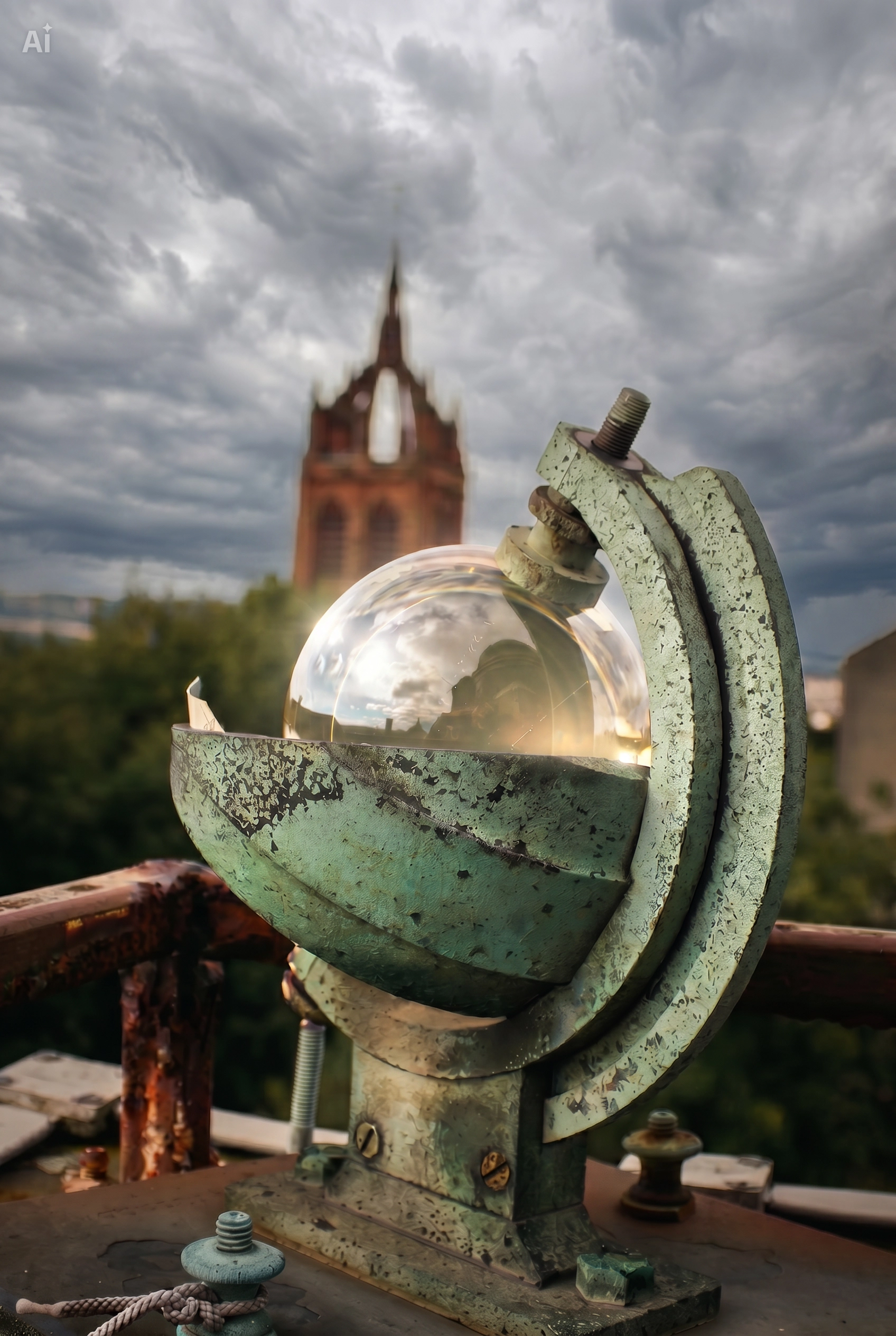
Burning Sunshine: The Ingenious Campbell-Stokes Recorder at Coats Observatory
The Campbell-Stokes recorder is basically a glass ball acting as a magnifying glass. As the sun moves across the sky throughout the day, this sphere focuses the sun's rays onto a specially prepared paper strip beneath it.
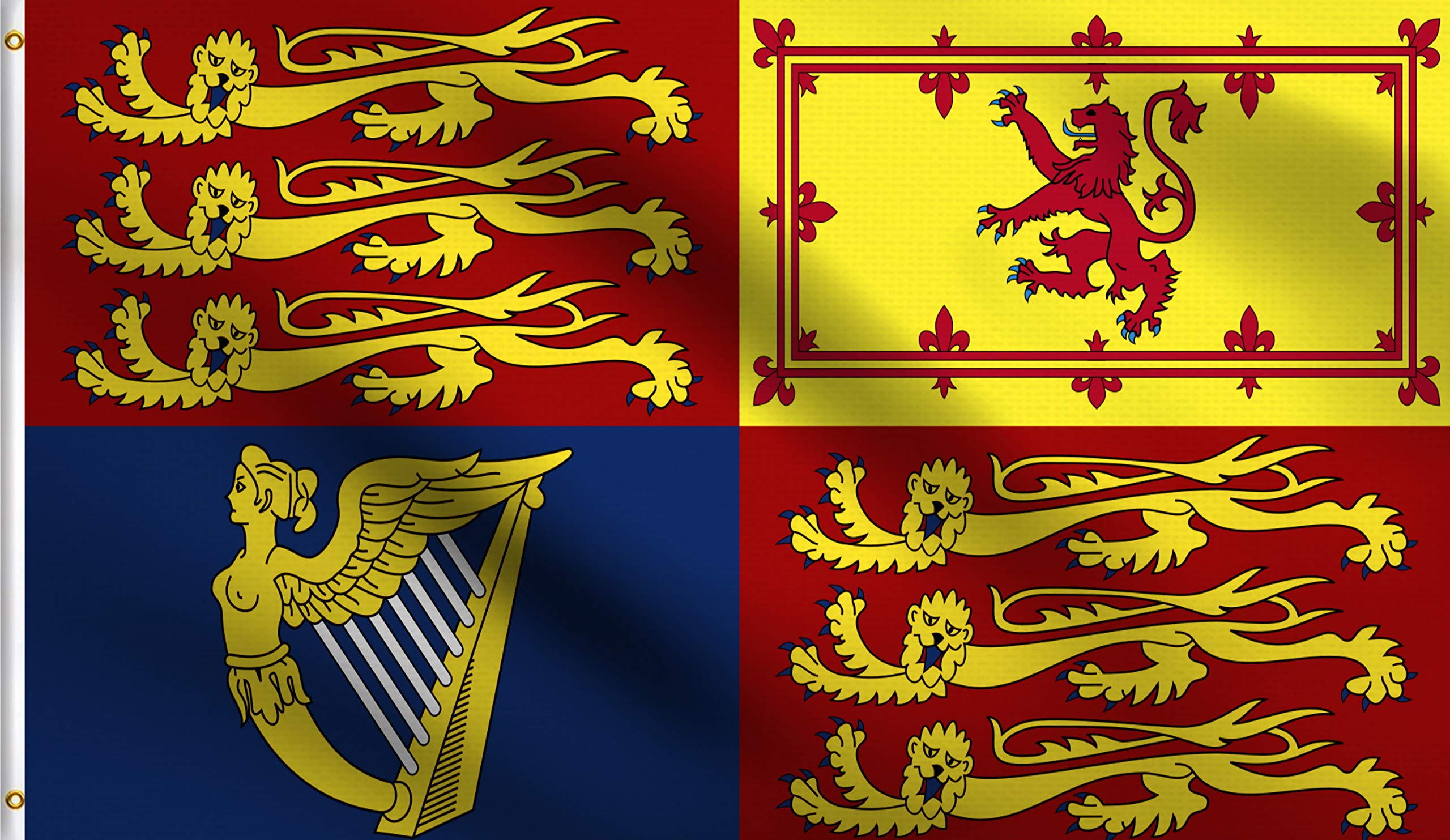
Royal Recognition: Queen Elizabeth II Celebrates Paisley's Historic Half-Millennium 1988
In 1988, Paisley welcomed a significant state occasion as the town commemorated five centuries since achieving burgh status.
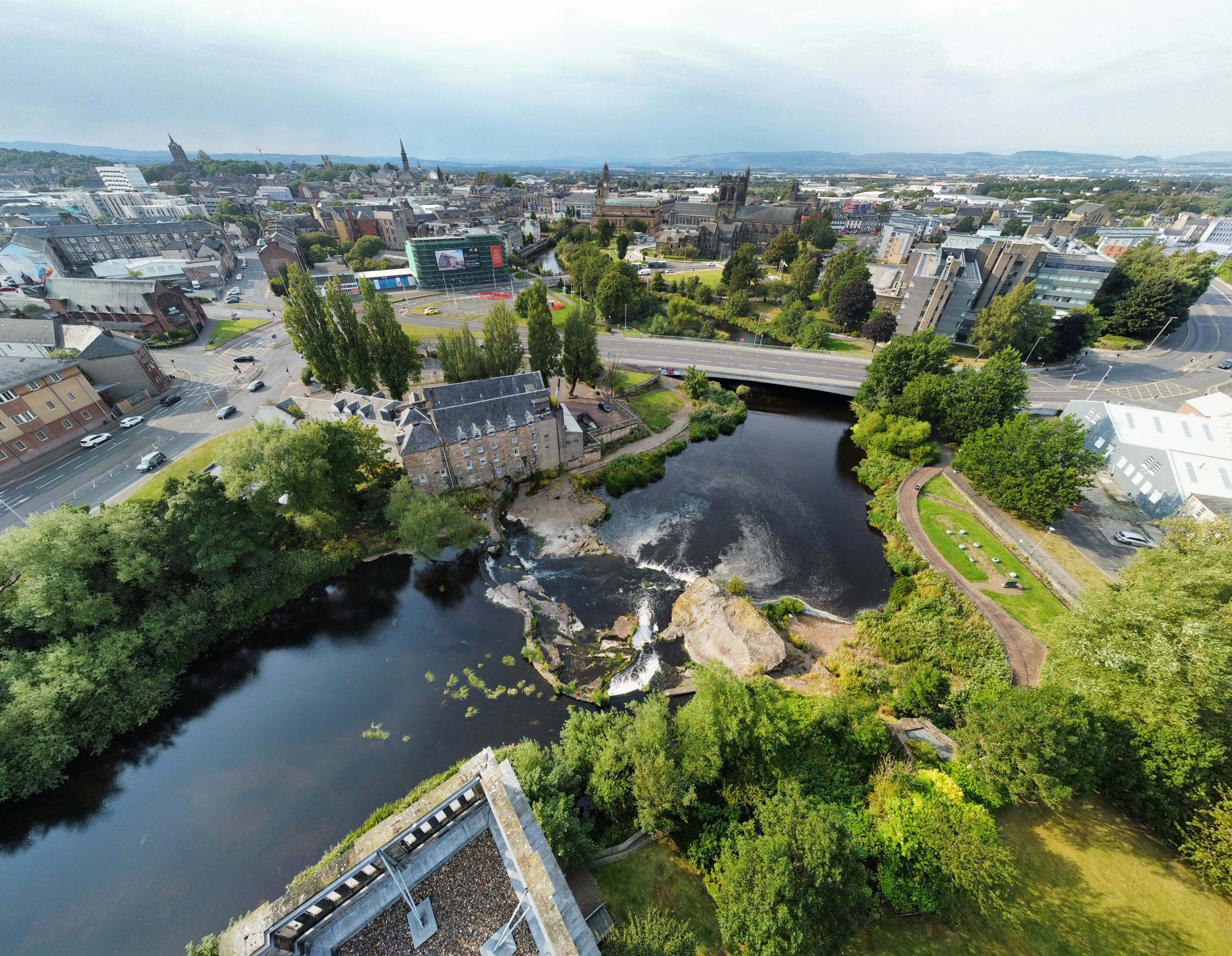
Tailing the Linn
In the heart of Paisley there is a picturesque waterfall known as the Hammills. This was once described as “The little Niagara Falls” of Paisley. In the long, hot Victorian summers, this spot provided a great attraction to the young boys of the town. It was here at the “Laigh Linn” as it was locally
T.G Abercrombie
One of the great notable sons of Paisley is architect Thomas Graham Abercrombie born in Paisley in 1862 to William Abercrombie and Robina Andrews Graham.
St Mirren History
Its first ground was at Thistle park, Greenhill (1877), followed by Shortroods (1878), Abingdon Park (1879-81), Thistle Park (1881-83), Westmarch (1883-84), Fullerton Park (1894-95), StMirren Park, Love Street (1895-2010) before moving to Greenhill Road in 2009.
The Witches
In 1697, when witchcraft was against the law in Scotland, Paisley saw a famous case of witch-hunting. Christian Shaw, the ten-year-old daughter of the laird of Bargarran near Erskine, fell mysteriously ill.
When a Steeplejack fell to his death in Paisley
One of the most famous old stories or urban legends in Paisley relates to three things set in stone below Trinity High Church, the highest steeple in the Oakshaw area of Paisley.
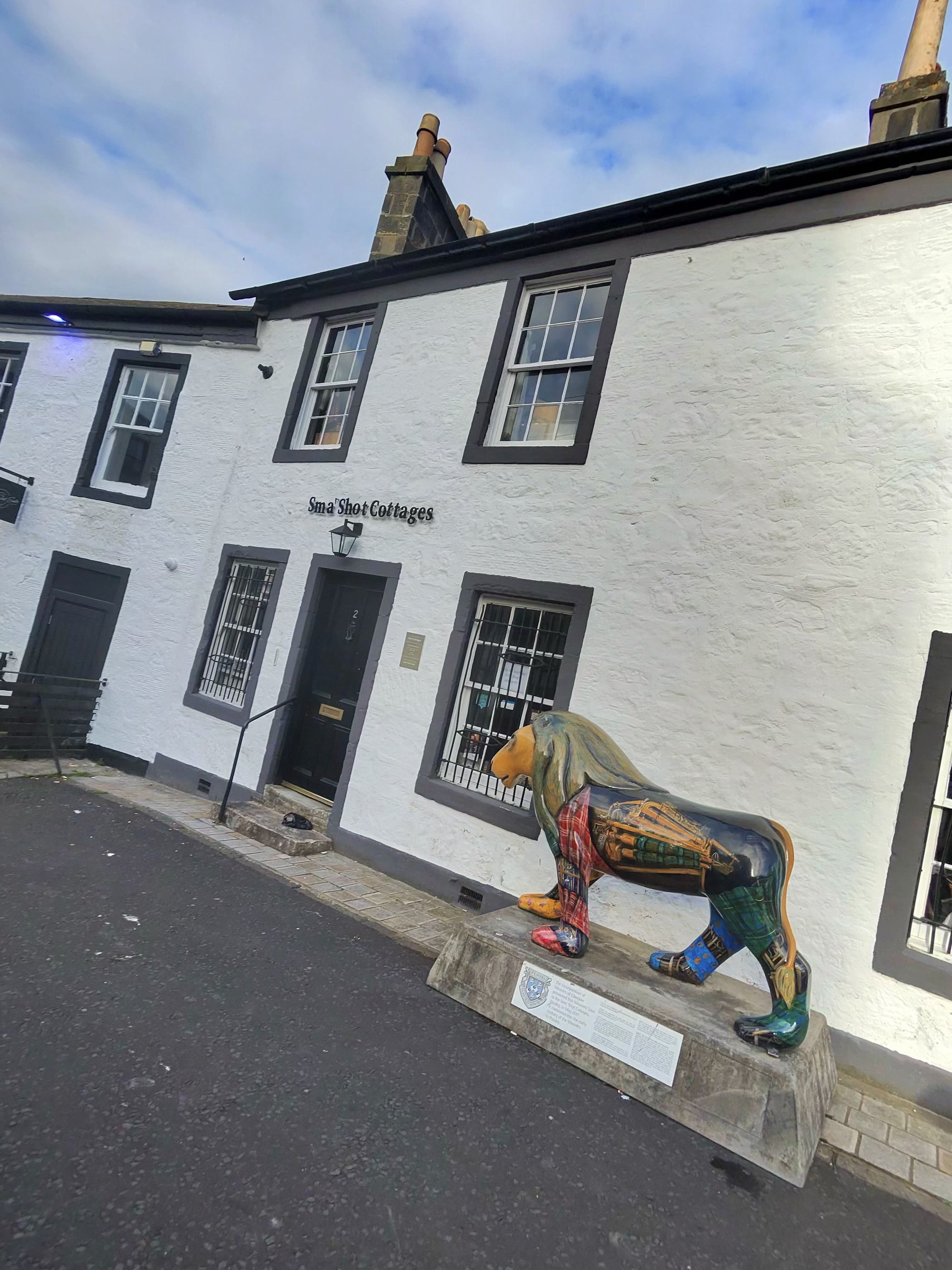
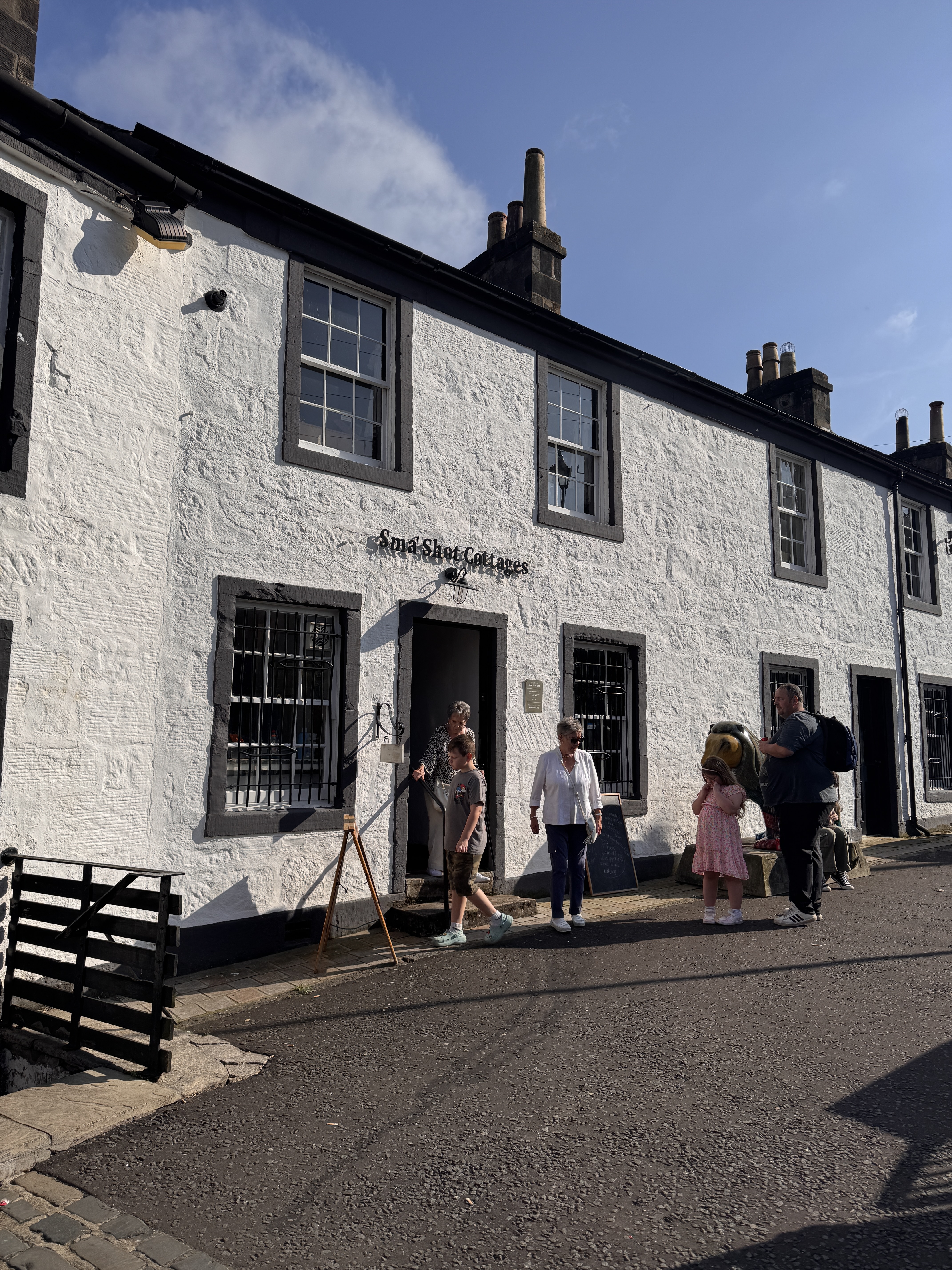
Sma Shots
This cottage is the only survivor of the original Shuttle Street which was built from 1735 to the early 1750s, and belongs to the world of the hand loom weavers.
Paisley’s Lost Railways
Public transport played an important part in people’s lives in the past and old photographs and stories can often trigger distant memories.
Paisley Model Yacht Club
The Paisley Model Yacht Club celebrated its 120 years since founded with a race in October and the STV Riverside Show made the below film that was shown on TV on 21 October.