The Paisley Pattern Story: How a Town Became Synonymous with Timeless Design
The Paisley pattern stands as one of the world's most recognisable textile designs, yet few realise its extraordinary journey from the ancient East to the heart of Renfrewshire. This distinctive teardrop motif didn't originate in Scotland, but it was the weavers of Paisley who transformed it into a global phenomenon during the 19th century. Today, the pattern bears the name of our town, cementing Paisley's place in design history and creating a legacy that continues to influence fashion, interior design, and popular culture worldwide.
The story of how a Scottish industrial town became forever associated with an exotic Eastern design is one of innovation, craftsmanship, and shrewd commercial acumen. From the bustling mills along the White Cart Water to the fashion houses of Paris and beyond, the Paisley pattern represents a remarkable chapter in both local and global textile heritage.
Ancient Origins: The Boteh and Its Eastern Roots
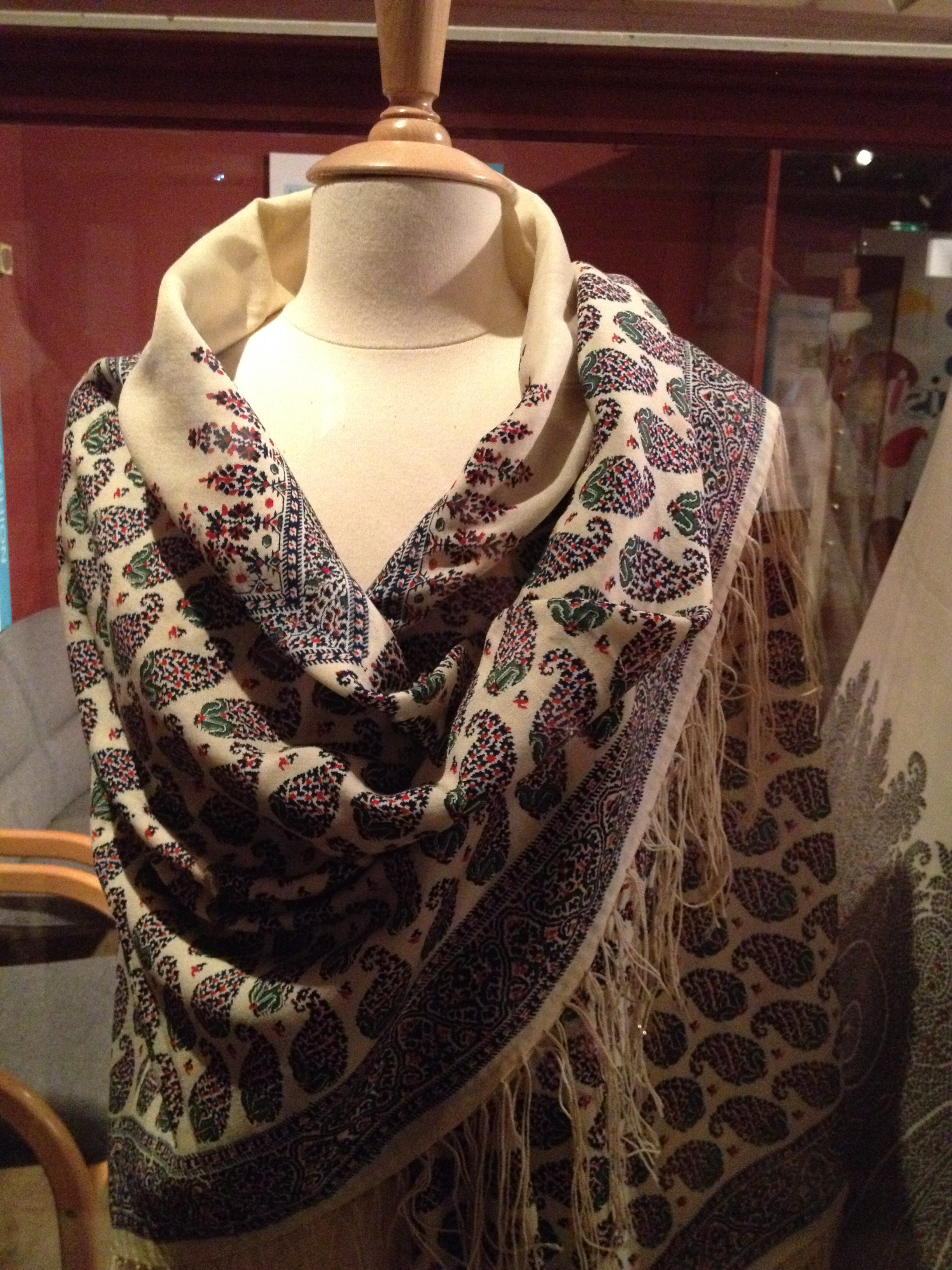
The design we now call the Paisley pattern originated as the boteh or buta motif in ancient Persia and India, with examples dating back over 2,000 years. This curved, teardrop shape has been interpreted as representing a mango, a cypress tree, a palm shoot, or even a floral spray. In Zoroastrian tradition, the boteh symbolised life and eternity, whilst in Indian culture it often appeared in religious and royal contexts.
The motif flourished in Kashmir during the Mughal Empire, where artisans created spectacular shawls featuring intricate boteh designs. These Kashmir shawls, woven from the finest pashmina wool, took months or even years to complete. Each shawl told a story through its elaborate patterns, with the teardrop shapes arranged in sophisticated compositions that demonstrated extraordinary technical skill.
The Kashmir Shawl Craze Reaches Europe
By the late 18th century, Kashmir shawls had become the ultimate status symbol amongst European aristocracy. Napoleon Bonaparte famously gifted his wife Joséphine dozens of these precious textiles, and soon every fashionable woman across the continent desired one. The shawls' exotic origins, luxurious feel, and mesmerising patterns created an insatiable demand that genuine Kashmir production simply couldn't meet.
These original shawls cost extraordinary sums—equivalent to thousands of pounds in today's money—placing them far beyond the reach of ordinary people. The European textile industry recognised a golden opportunity: reproduce these coveted designs at a fraction of the cost, making Eastern luxury accessible to the growing middle classes.
How Paisley Became the Pattern Capital
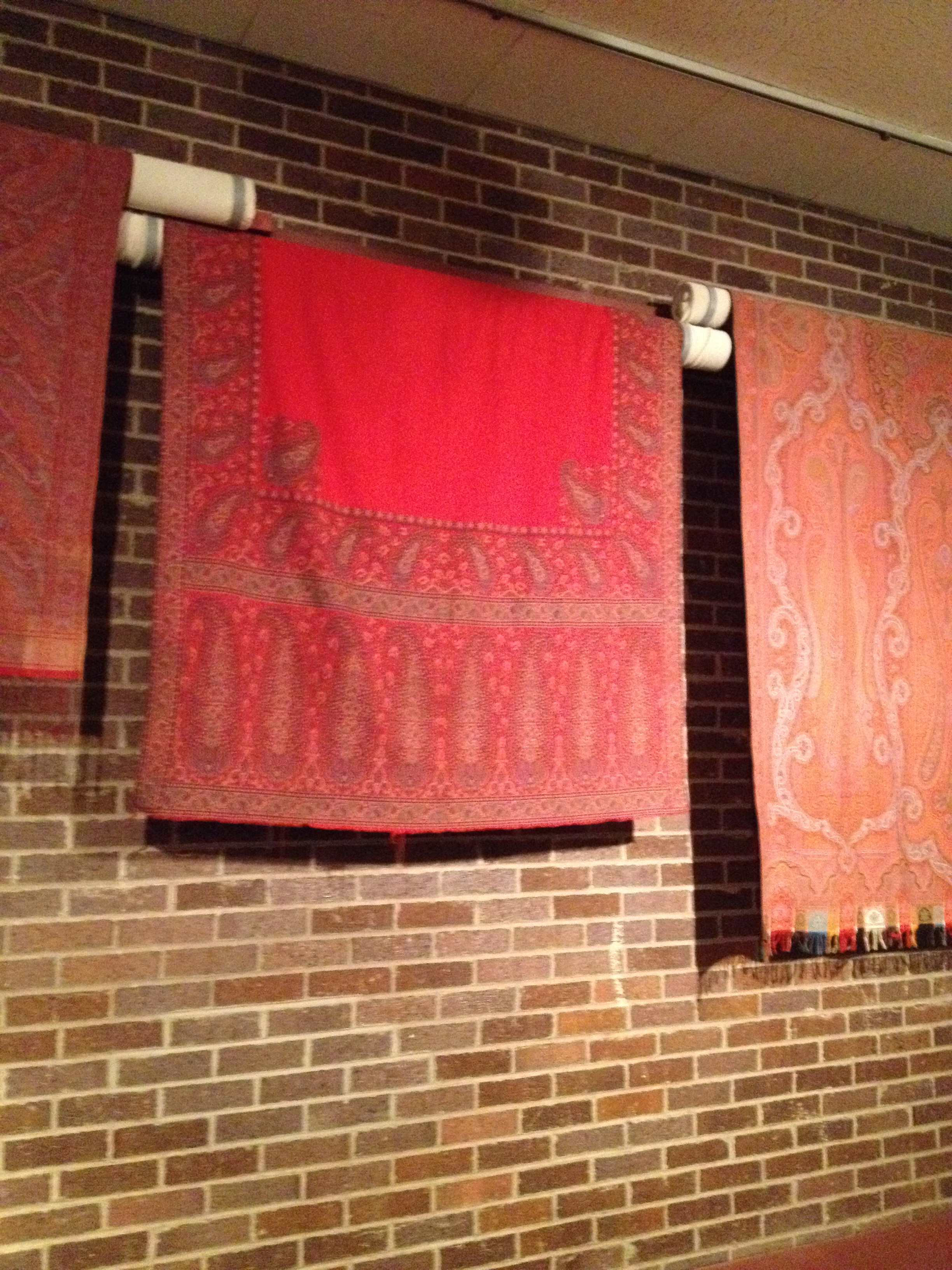
Several European centres attempted to replicate Kashmir shawls, including Norwich, Edinburgh, and French manufacturers. However, it was the weavers of Paisley, Renfrewshire, who truly mastered the art and dominated production. By the 1800s, Paisley had already established itself as a major textile centre, with skilled weavers producing high-quality fabrics and an infrastructure capable of rapid innovation.
The town's success came from three critical factors: exceptional weaving expertise, the early adoption of Jacquard loom technology, and a willingness to experiment with designs. Paisley weavers didn't simply copy Kashmir patterns—they adapted and evolved them, creating distinctly Scottish interpretations that balanced exotic appeal with Victorian sensibilities.
The Jacquard Revolution in Paisley
The introduction of the Jacquard loom to Paisley in the 1820s transformed production capabilities. This revolutionary technology used punched cards to control complex weaving patterns, allowing manufacturers to create intricate designs far more quickly than traditional hand-weaving methods. Suddenly, elaborate boteh patterns that once took months could be produced in weeks, dramatically reducing costs whilst maintaining quality.
Paisley manufacturers invested heavily in these new looms, and the town's weaving sheds hummed with activity. At the industry's peak in the 1850s and 1860s, thousands of looms operated across Renfrewshire, employing a significant portion of the local population. The distinctive clatter of the Jacquard looms became the soundtrack of Victorian Paisley, whilst the intricate shawls produced became known worldwide simply as 'Paisleys'.
The Golden Age of Paisley Manufacturing
Between 1820 and 1870, Paisley became the undisputed world leader in imitation Kashmir shawl production. The town's manufacturers created thousands of design variations, from faithful reproductions of Eastern originals to bold Scottish innovations. Paisley shawls featured the characteristic teardrop motif in ever more elaborate arrangements—mirrored, interlocking, forming borders, or scattered across rich backgrounds in jewel tones.
The industry's scale was staggering. Estimates suggest that at peak production, Paisley manufacturers employed over 7,000 weavers and produced tens of thousands of shawls annually. These weren't cheap imitations but quality textiles that middle-class families saved for and treasured. A Paisley shawl represented aspiration and respectability, a way for Victorian women to participate in fashionable society without aristocratic wealth.
Design books from the era, preserved at Paisley Museum, reveal the extraordinary creativity of local manufacturers. Each season brought new colour combinations, border treatments, and arrangements of the signature teardrop. Some designs incorporated Scottish thistles alongside Eastern paisleys, creating unique hybrid patterns that reflected the cultural exchange at the pattern's heart.
Life in the Weaving Sheds
The weavers themselves formed a skilled, proud workforce. Many worked from home on handlooms before factory consolidation, with entire families involved in the trade. The work required intense concentration, excellent eyesight, and years of training to master. Weavers developed their own terminology for pattern elements, and senior craftsmen commanded respect throughout the community.
Despite the industry's success, conditions could be challenging. The weaving sheds were noisy, and workers spent long hours at their looms. Yet the trade offered relatively good wages compared to other industrial work, and a strong weaver culture developed around shared skills and local pride. This heritage remains visible in Paisley today, with many residents able to trace their ancestry to these Victorian textile workers.
Decline and the Pattern's Afterlife
The Paisley shawl industry's decline came swiftly in the 1870s. Changing fashions—particularly the rise of the bustle, which made large shawls impractical—combined with competition from cheaper French printed imitations dealt a devastating blow. Within a decade, most Paisley manufacturers had closed or diversified into thread production, with only a handful continuing shawl weaving into the early 20th century.
However, whilst the industry died, the pattern achieved immortality. The design had become so associated with Paisley, Renfrewshire, that 'paisley' entered the English language as the universal name for the teardrop motif, regardless of origin. This linguistic victory ensured that our town's name would be spoken wherever the pattern appeared—on fabrics, wallpapers, ceramics, and eventually across every imaginable surface.
The Paisley Pattern's Global Renaissance
The 20th century saw multiple revivals of the Paisley pattern, each introducing it to new generations. The Arts and Crafts movement appreciated its handcrafted origins, whilst Art Nouveau designers incorporated its flowing curves into their organic aesthetic. But the pattern's most spectacular comeback arrived in the 1960s.
Psychedelic rock culture adopted the Paisley pattern as a visual symbol of their movement. The Beatles wore paisley shirts, Jimi Hendrix painted his guitar with paisley designs, and the motif appeared on album covers, concert posters, and fashion from Carnaby Street to San Francisco. This counterculture association gave the pattern a rebellious, artistic identity that contrasted sharply with its Victorian respectability.
Since then, the pattern has cycled through fashion regularly. Luxury brands like Etro built their identity around paisley designs, whilst high-street retailers ensure it remains accessible. Contemporary designers continue finding fresh interpretations—digital prints, oversized scales, unexpected colour combinations—proving the pattern's remarkable adaptability.
Paisley in Popular Culture
Beyond fashion, the pattern pervades popular culture in sometimes unexpected ways. The distinctive teardrop appears in everything from guitar picks to skateboard designs, from tattoo art to emoji. Musicians named albums after it (Prince's Paisley Park), whilst interior designers cycle through paisley wallpapers and soft furnishings. The pattern's curvilinear elegance works across contexts, from traditional to contemporary, formal to casual.
For residents of Paisley, this ubiquity creates interesting moments. Seeing the pattern in a Tokyo boutique, a New York museum, or a Mumbai market serves as a reminder that our town left an indelible mark on global visual culture. That a teardrop motif carries the name of Scotland's largest town is a source of considerable local pride.
Preserving the Heritage in Modern Paisley
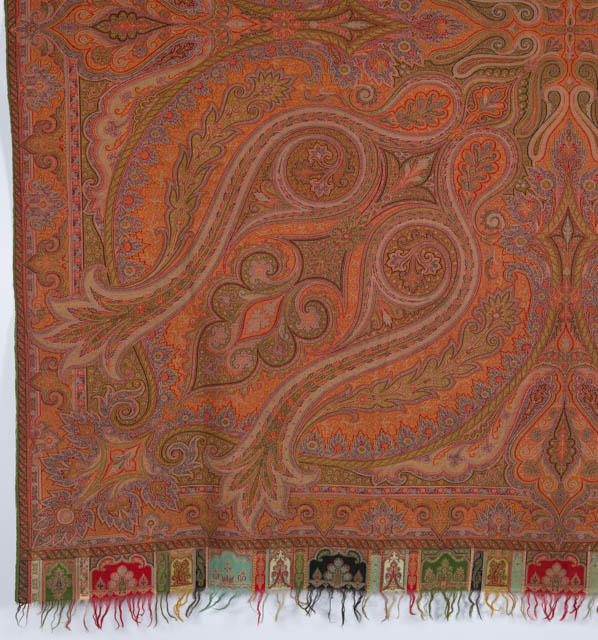
Today, Paisley actively celebrates its textile heritage. The Paisley Museum houses one of the world's finest collections of Paisley shawls and textile equipment, with plans for significant redevelopment to showcase this heritage more prominently. The collection includes over 600 shawls alongside design books, thread samples, and Jacquard punch cards that reveal the industry's technical sophistication.
Around Paisley Town Centre, public art installations reference the pattern, whilst local businesses incorporate it into branding. The annual Paisley Halloween Festival and other community events often feature pattern-inspired decorations, ensuring younger generations understand this aspect of their heritage.
Contemporary artists and designers in Renfrewshire continue finding inspiration in the pattern. Local textile artists create modern interpretations, whilst designers apply the motif to unexpected mediums. This living heritage ensures that Paisley pattern isn't merely historical but continues evolving in the place that gave it its name.
The Pattern as Economic Asset
Recognition grows that the Paisley pattern represents significant cultural and economic potential. The town's bid for UK City of Culture status highlighted this unique heritage, emphasising that few places have given their name to a globally recognised design element. This distinctive identity could attract creative industries, tourism, and heritage investment to Renfrewshire.
Some local businesses already leverage this connection successfully. Gift shops stock paisley-patterned souvenirs that tourists genuinely seek, whilst heritage tours explain the pattern's story to visitors. As Paisley continues regenerating and reimagining its future, this historical design legacy offers authentic differentiation in an increasingly competitive cultural economy.
Final Thoughts
The story of the Paisley pattern represents more than textile history—it's a tale of globalisation before the term existed, of skilled workers mastering foreign techniques, and of a Scottish town achieving permanent recognition in the world's visual vocabulary. From ancient Persian gardens to Victorian drawing rooms, from psychedelic album covers to contemporary catwalks, the teardrop motif travelled an extraordinary journey, always carrying Paisley's name with it.
For those of us who call this town home, the pattern serves as a daily reminder that Paisley, Renfrewshire, once stood at the centre of global fashion and continues contributing to visual culture worldwide. We'd love to hear your Paisley pattern stories—family memories of the weaving industry, favourite paisley items, or sightings of the pattern in unexpected places. Share your connections to this remarkable heritage in our community directory or explore more about Paisley's rich history.