A Disaster Almost Lost to History
When people think of major tragedies in Paisley’s history, many immediately recall the Glen Cinema Disaster of 1929. However, more than a century earlier, Paisley suffered another catastrophe that claimed even more lives.
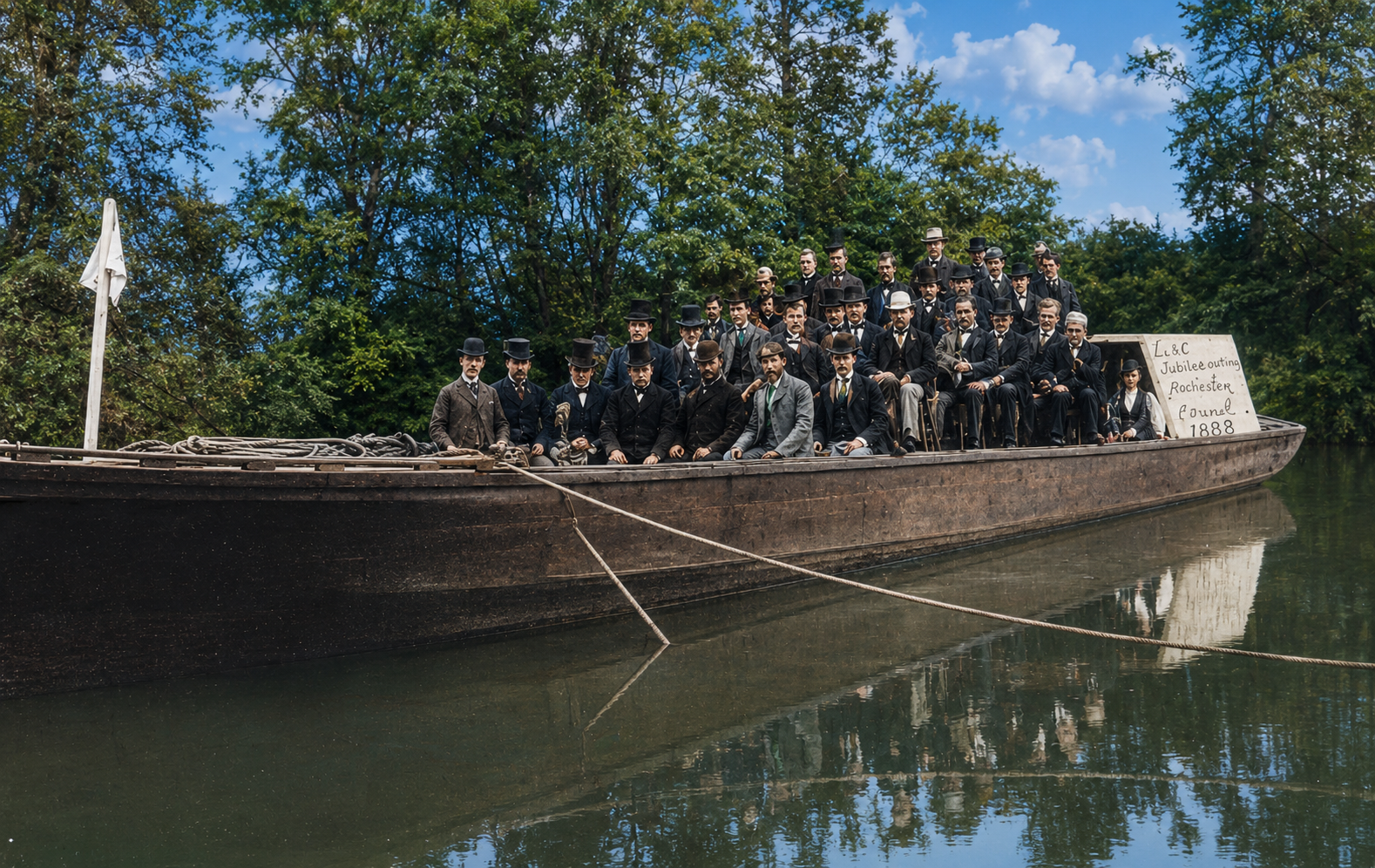
On 10 November 1810, only days after the opening of the Glasgow, Paisley and Johnstone Canal, what should have been a day of excitement and celebration turned into one of the deadliest inland waterway disasters in British history. Around 84 to 85 people lost their lives when a passenger boat capsized at Paisley Canal Basin. Most of the victims were children, teenagers and young adults.
A New Attraction for Paisley
The canal was one of the great engineering projects of its day.
Connecting Paisley, Johnstone and Glasgow, it promised faster transport for both passengers and goods. Local residents were fascinated by the new service, and pleasure trips quickly became hugely popular.
One of the vessels operating on the canal was the Countess of Eglinton, a passenger boat offering affordable excursions between Paisley and Johnstone. Tickets cost only a few pence, making the experience accessible to ordinary working families.
On Saturday 10 November 1810, good weather and a local holiday brought large crowds to the canal basin in Paisley. Hundreds gathered hoping to secure a place aboard the popular vessel.
The Fatal Rush
Shortly after 1pm, the Countess of Eglinton returned from Johnstone and approached the Paisley wharf.
As passengers attempted to leave the boat, eager crowds surged forward from the shore. People at the back pushed those in front, desperate not to miss the next trip. Within moments the vessel became dangerously overcrowded.
Boatmen tried to regain control of the situation, but the pressure of the crowd proved too great.
When the ropes were released and the vessel moved away from the bank, the weight of passengers concentrated on one side caused the boat to overturn suddenly. Dozens were thrown into the water while many others became trapped inside the cabin as it filled rapidly.
Why So Many Died
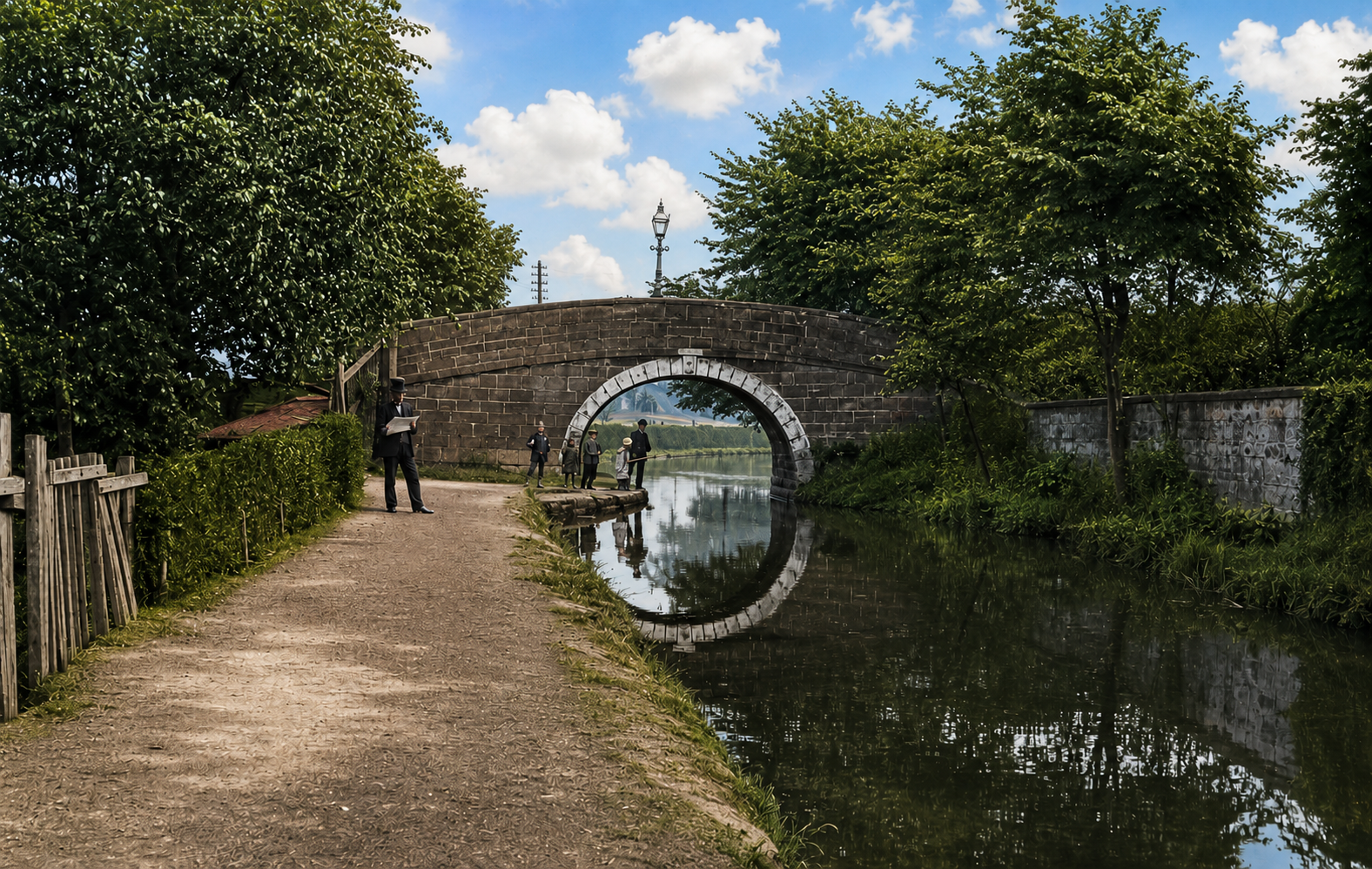
Today, a canal might not seem especially dangerous, but conditions in 1810 were very different.
Many people could not swim. The water was extremely cold, and the steep sides of the canal made escape difficult. Those trapped inside the overturned vessel had little chance of survival.
Rescuers rushed to help, and a small number of passengers were saved, but the scale of the disaster quickly became apparent.
When recovery efforts were completed, around 84 people had lost their lives. Historical records show that 66 victims were under the age of twenty, while 18 were younger than ten. Entire families were devastated by the tragedy.
The Victims
The disaster touched almost every corner of Paisley.
Records from the time reveal victims from areas including:
Causeyside
Canal Street
High Street
Maxwellton
Wellmeadow
Moss Street
George Street
Cotton Street
Lady Lane
Many were children from local weaving and textile families, reflecting the industrial character of Paisley at the beginning of the nineteenth century.
The youngest victims were only months old.
Where Did It Happen?
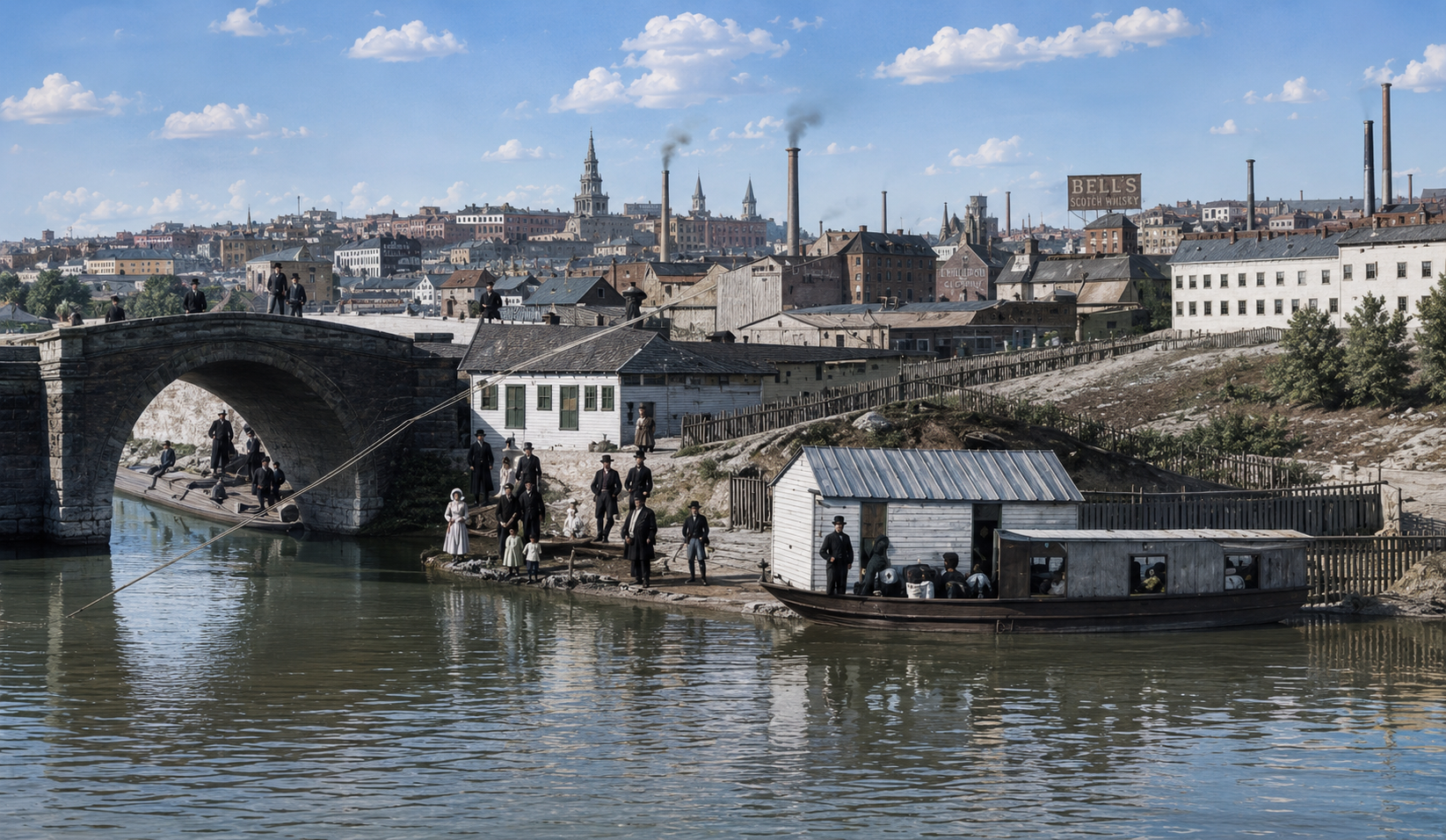
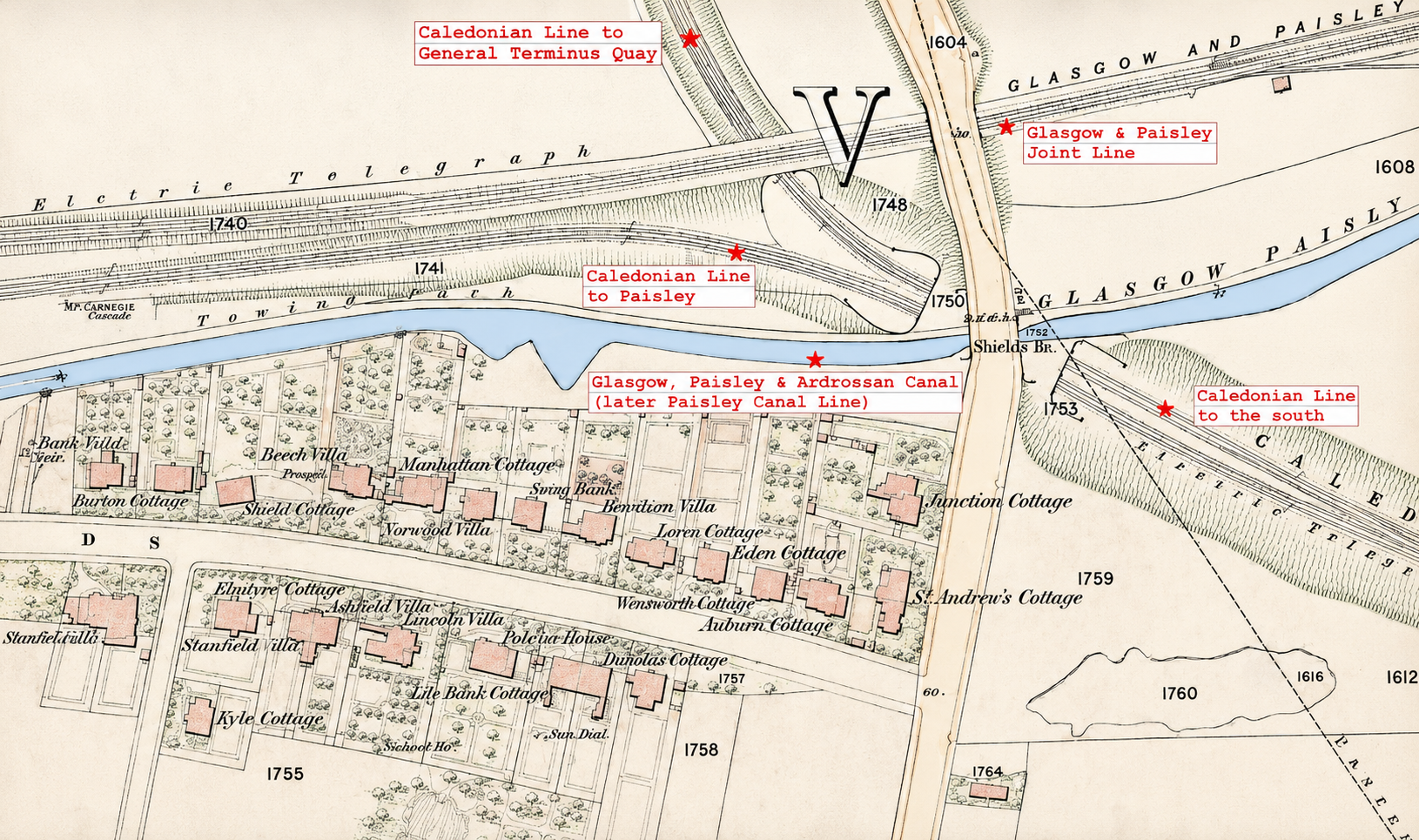
The tragedy occurred at the northern end of Paisley’s Canal Basin, close to the present-day Paisley Canal area.
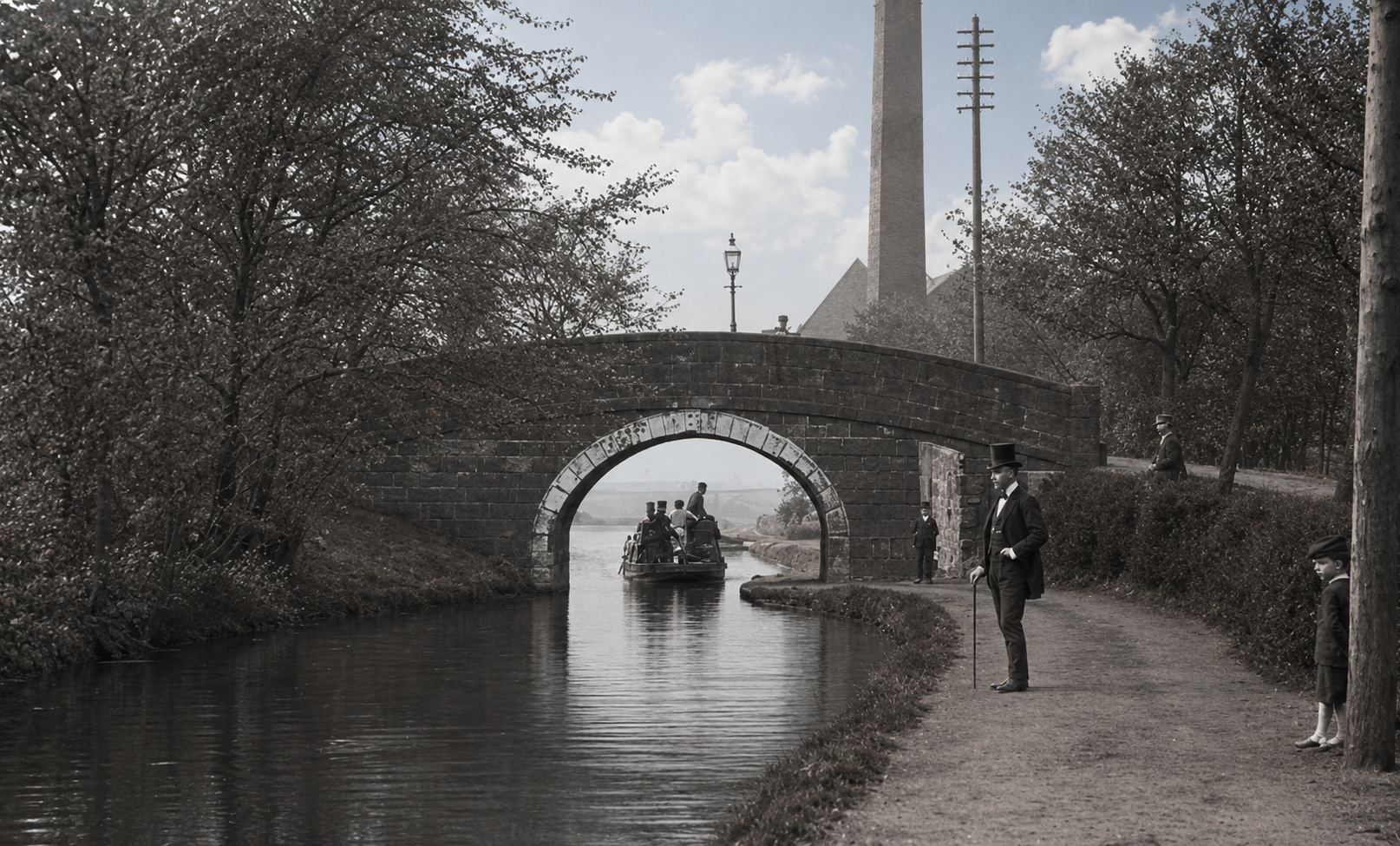
The canal itself disappeared long ago, with much of its route later converted into the railway that eventually became the modern Paisley Canal Line. Remnants of the original canal can still be found in parts of Paisley and Renfrewshire today.
Historic Canal-Related Views
Remembering the Victims
For many years the canal disaster faded from public memory.
In recent years, efforts have been made to ensure the victims are not forgotten.

Memorial plaques have been installed near Paisley Abbey and close to Paisley Canal Station, providing a permanent reminder of the lives lost during what has often been described as Paisley’s “forgotten disaster.”
Memorial Today
A Tragedy That Changed Paisley
The Paisley Canal Disaster occurred less than two weeks after the canal first opened to passengers.
What began as a symbol of progress and modern transport quickly became a scene of unimaginable loss.
Although more than two centuries have passed, the story remains one of the most important chapters in Paisley’s history. It reminds us of a time when new technology brought excitement but also risks that were not yet fully understood.
Today, visitors walking near Paisley Abbey or Paisley Canal Station can still find memorials to those who never returned home on that November afternoon in 1810.
Their story deserves to be remembered