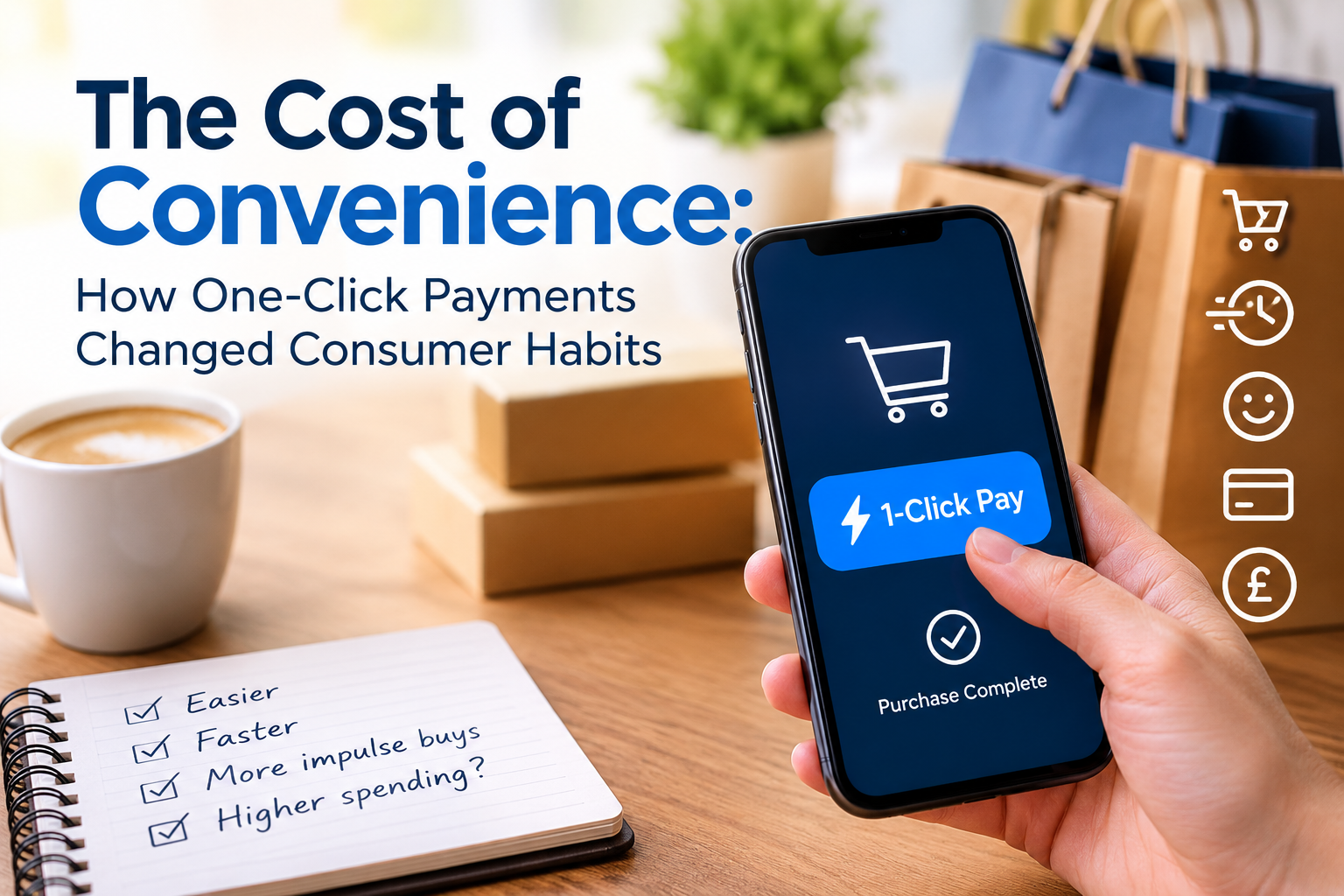
Buying what you need—or want—used to take real effort. You had to drive to a storefront, navigate crowded aisles, wait in line and physically hand over hard-earned paper bills or pull out a plastic card. Today, that entire process has been compressed into a single tap on a glass screen. From stored digital wallets and fast express checkouts to auto-saving browser extensions, buying goods is faster and easier than at any point in human history.
How Removing Friction Alters Purchasing Psychology
While this seamless speed makes daily life remarkably efficient, removing checkout friction comes with a hidden financial trade-off. When spending money feels as effortless as refreshing a social media feed, our brains lose the natural pause that keeps impulse buying in check. Whether you are ordering a late-night ride share, topping up an in-app balance or placing a quick wager at an online venue like Mr Play, understanding how convenience drives modern spending habits helps you keep your budget firmly under control.
To see why instant checkout features are so effective at driving sales, it helps to examine how interface design alters our decision-making.
In user experience (UX) design, “friction” refers to any extra manual step between wanting something and completing the order. Behavioral economics shows that every extra step gives your logical brain time to evaluate whether a purchase is actually worth it. Eliminating those steps bypasses that mental checkpoint, turning deliberate financial choices into instant reflexes.
Here is a side-by-side look at how traditional shopping hurdles compare to modern one-click convenience.
Shopping Stage
Traditional Checkout Process
Modern One-Click Shopping
Payment Entry
Manual credit card typing or cash handling
Auto-filled saved credentials or Face ID
Transaction Time
2 to 5 minutes of active effort
Sub-second instant processing
Mindful Reflection
High (ample time to reconsider while typing)
Minimal (action completes before second thoughts)
Perceived Loss
Immediate “pain of paying” sensation
Abstract digital transaction feels weightless
Impulse Risk
Low to moderate
High
Three Ways Micro-Convenience Drains Monthly Budgets
The shift toward frictionless transactions affects everyday consumer behavior in subtle, compounding ways.
When buying becomes effortless, small purchases add up rapidly in the background, making it easy to lose track of discretionary spending until the monthly bank statement arrives.
Here are the primary ways convenience changes how we spend:
The Micro-Transaction Blur: Small $5 or $10 impulse buys feel so minor in the moment that your brain fails to register them as significant spending, letting dozens of micro-charges stack up unnoticed.
Subscription Sign-Up Friction Traps: Joining a new service takes a single tap, but canceling often requires navigating buried account settings and multi-step surveys, exploiting consumer passivity.
Decoupled Gratification and Cost: Because digital payments don’t feel like physical loss, the joy of getting a product is separated from the reality of paying for it, leading to higher overall checkout totals.
Reclaiming Intentionality in a One-Tap World
You don’t need to give up modern conveniences to maintain a healthy budget. The trick is to intentionally reintroduce small, helpful speed bumps into your digital shopping routine.
Adding just a few seconds of deliberate friction back into your devices gives your rational mind time to step in before an impulse purchase goes through.
Delete Stored Credit Cards from Browsers: Force yourself to type in your card details for non-essential purchases. That extra minute gives you time to ask if you really need the item.
Turn Off One-Click Ordering Features: Disable instant buy toggles on major retail apps so you are forced to view the full cart summary before placing an order.
Enforce a 24-Hour Shopping Cart Pause: Leave non-essential items sitting in your online cart for a full day before hitting checkout. Most impulse urges fade naturally overnight.