
An older car can feel fresh and enjoyable again without a costly restoration or a long list of major modifications, and you can even update its look with new license plates. The biggest improvements often come from fixing the details you notice on every trip, from a grubby steering wheel to an awkward phone holder.
Start with the areas that affect comfort, convenience and appearance, then deal with small maintenance jobs before they become expensive problems. A sensible refresh can restore some pride in ownership whilst keeping the car practical for daily use.
Detailing the Cabin
Clear everything out of the cabin before deciding what needs replacing. Remove old receipts, empty bottles and items that have gathered in the door pockets, then take out the floor mats and vacuum beneath the seats. Use a narrow nozzle around seat rails, between cushions and along the edges of the centre console.
Clean each surface with a product suited to its material. A gentle interior cleaner works for most dashboards and door trims, whilst leather seats may need a dedicated cleaner followed by conditioner. Avoid applying shiny dressings to the steering wheel, pedals or gear lever because slippery surfaces can affect control. Cotton buds and a soft detailing brush are useful around vents, switches and badges.
If odours remain, check beneath the boot floor and around the spare wheel well for damp. A blocked drainage channel, wet mat or ageing cabin filter can make the interior smell stale again soon after cleaning. Replacing the cabin filter is often an affordable job and may improve airflow from the vents.
The most effective older car refresh ideas tend to focus on neglected touchpoints. A worn gear knob, split gaiter or tired set of mats can make the whole cabin look older than it is. Replacing one or two heavily worn pieces usually creates a more convincing result than filling the interior with decorative accessories.
Modernise Onboard Tech
Useful technology can be added without changing the character of an older dashboard. Begin with a secure phone mount positioned where it won’t obstruct your view or interfere with any controls. Pair it with a good charging cable and a compact USB adaptor that sits neatly in the car’s power socket.
For music and calls, a Bluetooth adaptor can connect a phone to an existing stereo through an auxiliary input. If the car has no suitable input, a replacement head unit may provide Bluetooth, hands-free calling and smartphone integration. Check the dashboard dimensions and wiring connections before ordering anything, especially if the original system controls other vehicle settings.
Among the most practical older car technology upgrades are parking aids and a reversing camera. These can be particularly helpful in a car with thick rear pillars or limited visibility. Professional installation may produce a tidier finish, with wires routed behind trim and the camera placed securely.
Small personal touches also help a familiar vehicle feel more individual. A replacement registration can be one option, and drivers exploring number plates for sale can search for combinations that suit their initials, name or car. Before purchasing, account for every cost involved and check that the chosen registration can legally be assigned to the vehicle.
Keep technology additions simple. Loose cables, glowing adaptors and several windscreen-mounted devices quickly make a cabin feel cluttered, so aim for one secure installation that solves a genuine daily frustration.
Upgrade the Exterior Styling
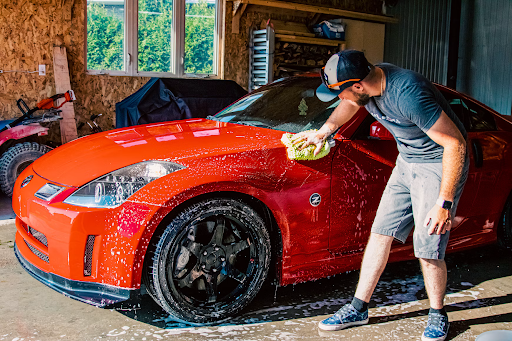
Give the exterior a thorough wash before buying cosmetic parts. Dirt can hide small scratches, tar spots and faded trim, making it difficult to judge what the car actually needs. Work from the roof down, clean the wheels with a separate mitt and dry the paint with a clean microfibre towel to reduce water marks.
Once the surface is clean, inspect it in daylight. Light swirls may respond to a hand polish, but deeper scratches that catch a fingernail usually need professional attention. Apply a wax or paint sealant after polishing to protect the finish and make later washes easier.
Faded black plastic around mirrors, bumpers and window edges can age a car dramatically. A proper trim restorer often brings back a richer finish, though badly damaged pieces may need replacement. Cloudy headlamp lenses can also make the front end look tired. Restoration kits can improve mild oxidation, provided their instructions are followed carefully and a UV protective coating is applied afterwards.
Consider the condition of badges, wheel centre caps and registration plate fixings too. Straightening a crooked plate and replacing rusty screws costs little but makes the exterior look cared for. If you’re considering larger changes, the safest car appearance upgrades are usually those that preserve everyday comfort and don’t complicate maintenance.
Choose modifications that fit the car’s age and shape. Correctly sized wheels, fresh wheel trims or refurbished original alloys often look more coherent than oversized alternatives. Before changing wheels or exterior lighting, confirm compatibility and compliance with the rules that apply where you drive.
Routine Care Keeps Pride Alive
A polished car soon loses its appeal if warning lights appear, the tyres are neglected or the engine sounds strained. Read the owner’s handbook and build a simple maintenance schedule around time and mileage. Record service dates, parts used and upcoming jobs in a notebook or phone calendar so nothing relies on memory.
Check tyre pressures when the tyres are cold, including the spare if the car carries one. Look for cracks, uneven wear and embedded objects, then inspect the tread across the full width. Incorrect pressure can affect braking, steering and fuel use, so follow the figures specified for the vehicle and its typical load.
Under the bonnet, regular checks should cover the engine oil, coolant and screenwash. Only inspect coolant when the engine is cold, and don’t assume that repeatedly topping up a fluid solves the underlying issue. A falling level, new stain beneath the car or unfamiliar noise calls for investigation by a qualified technician.
Deal with minor faults promptly. A failed interior bulb, squeaking wiper blade or loose piece of trim may seem unimportant, yet several small problems can make the car feel neglected. Set aside a modest monthly amount for routine care and unexpected repairs. Even £25 or £30 saved regularly can soften the cost of a battery, tyre or annual service.
Keep a compact cleaning kit in the boot with a microfibre cloth, glass cleaner and a bag for rubbish. Five minutes spent clearing the cabin and wiping the glass at the end of the week helps preserve the results of a deeper clean.
The most satisfying moment comes on the next ordinary drive, when the controls feel clean, the cabin smells fresh and every small feature works as expected. That sense of order is often what makes an older car feel special again.