Renfrewshire is still the best place in Scotland for getting older people out of hospital once they're well enough to go home, and the latest figures show it has improved again.
The new data, from the national Local Government Benchmarking Framework that compares all 32 Scottish councils, goes before Renfrewshire Council's Audit, Risk and Scrutiny Board on Monday (2 November).
Delayed discharge down by more than a quarter
In 2025/26, people aged 75 and over in Renfrewshire spent 115.62 days in hospital per 1,000 population after they were ready to be discharged. That's down from around 160 the year before, which was already the best in the country.
The Scottish average is 873 days, more than seven times higher, and the worst council in Renfrewshire's comparison group recorded more than 1,800. The report says the figures highlight how responsive community health and social care support is locally.
Renfrewshire also stays in the top quarter of councils for keeping hospital readmissions within 28 days low.
Other strong spots
- Help with housing costs: Renfrewshire spent 113% of its Discretionary Housing Payment funding, the highest proportion of any council in Scotland for the third year running.
- Crisis grants: 96% of crisis grant decisions were made within one working day, up from 89.4%, and 91% of community care grant decisions came within 15 working days, up from 86%.
- Cleaner streets: the street cleanliness score, based on Keep Scotland Beautiful spot checks, rose to 93.5%, above the Scottish average of 92.2%.
- Roads: 18.7% of A roads should be considered for maintenance, compared with a Scottish average of 30.3%, putting Renfrewshire fourth best in Scotland.
- New businesses: Business Gateway helped 17.3 start-ups per 10,000 people, ahead of the national average of 13.07.
- Children in care: 92.8% of looked after children are cared for in the community rather than residential settings, the third-best figure in Scotland.
Where it's behind
Not every measure is good news. In a national survey of people who get care and support at home, 63.5% said it had helped improve or maintain their quality of life, against a Scottish average of 71.7%. Scores for feeling able to live independently, having a say in their care and carers feeling supported all improved, but remain below the national average.
The share of all registered care services in Renfrewshire graded good or better by the Care Inspectorate fell from 82.1% to 78.9%. The report points out that this covers every registered service in the area, not just those run or commissioned by the council and the Health and Social Care Partnership.
Satisfaction with local schools in the Scottish Household Survey rose to 64% but is still below the national average. The council says that survey included only 280 people in Renfrewshire, and its own residents' research found 94% satisfied.
The claimant count also rose slightly, from 2.7% to 2.9% of the working-age population, with a bigger rise among 16 to 24-year-olds, in line with the national trend.
Overall, 81% of Renfrewshire's performance measures have improved since the framework began, the highest proportion among the councils it is compared with.
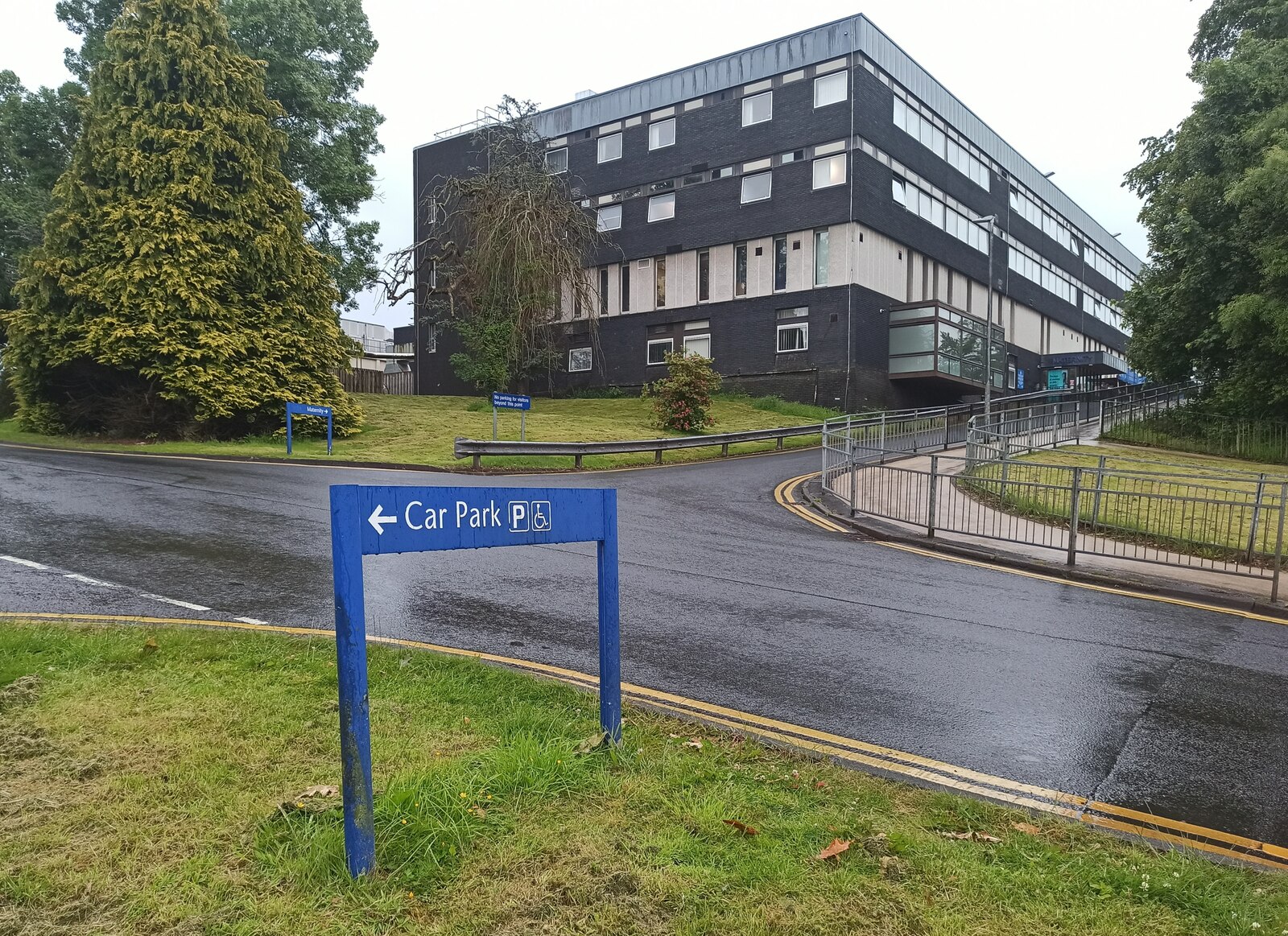
Image: Royal Alexandra Hospital, Paisley. Photo: Thomas Nugent, CC BY-SA 2.0, via Wikimedia Commons.