
Paolo Nutini: The Voice That Never Left Paisley Behind
When people talk about famous names from Paisley, Paolo Nutini always deserves a place near the top of the list. He is one of those artists who managed to become known far beyond Scotland while still feeling unmistakably rooted in home. Even when his music took him onto huge stages and into charts around the world, there has always been something grounded about him. You can hear it in his voice, in the way he carries himself, and in the stories that still follow him back to Paisley.
Born in Paisley on 9 January 1987, Paolo Nutini grew up in a Scottish-Italian family where hard work was simply part of life. Long before the festival crowds, awards and sold-out tours, there was family, community and the daily rhythm of the chip shop. His dad, Alfredo, was part of the much-loved Castelvecchi chip shop on New Street, a place that became almost as local-legendary as Paolo himself. For plenty of people in Paisley, that detail matters. It makes his success feel a little closer to home, as if one of our own really did go out into the world and make it big without forgetting where he started.
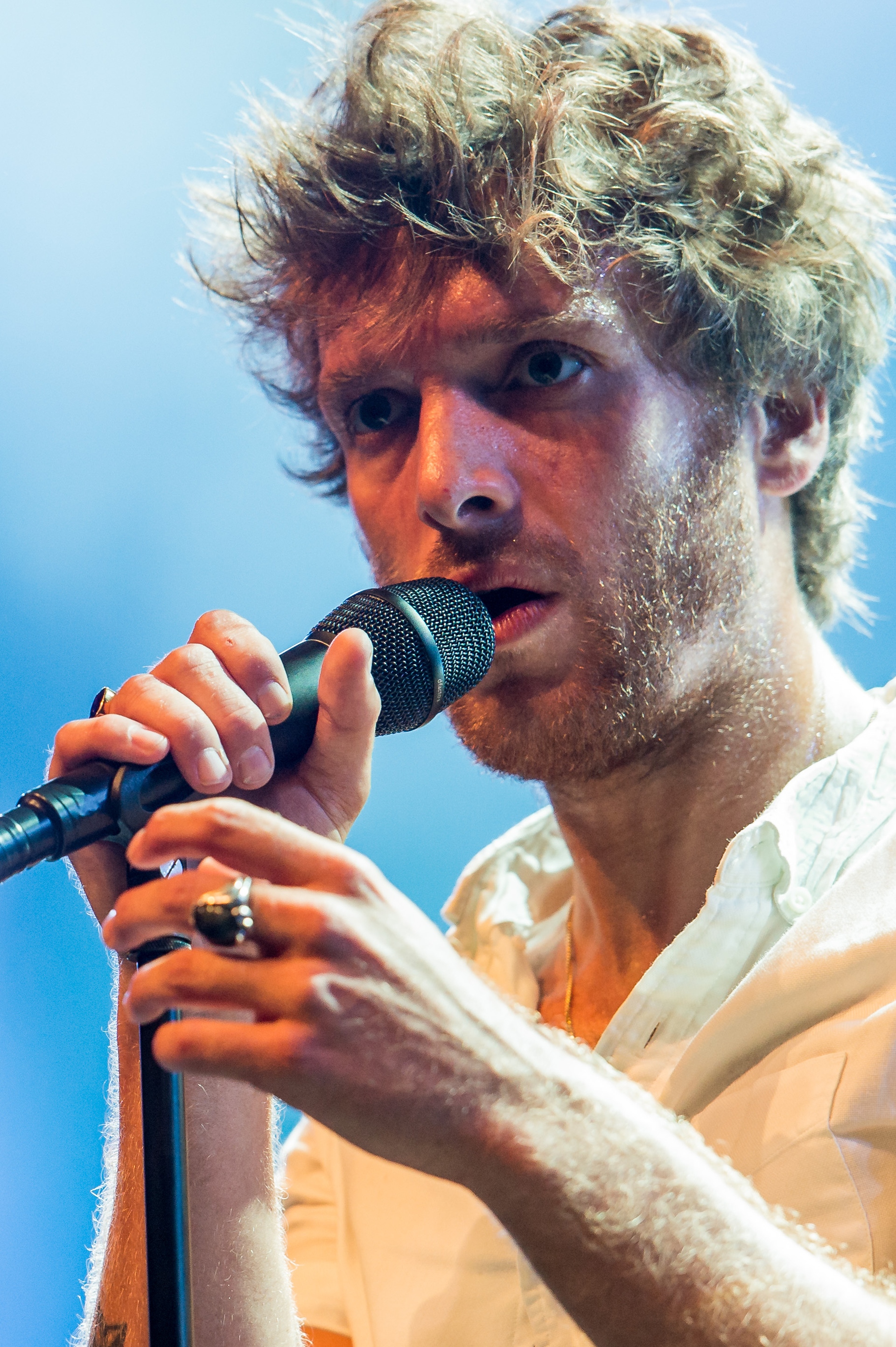
That local connection is a big part of Paolo Nutini’s appeal. He never seemed manufactured. He did not arrive polished to the point of feeling distant. There was always a sense that he was the same lad from Paisley, only now with a remarkable voice and songs that travelled. That is probably why people took to him so quickly. He felt real. You could imagine him helping out at the family business, then heading off with a guitar and a head full of songs.
His breakthrough came in the mid-2000s, and from the start there was something different about him. Paolo’s voice had grit, warmth and soul, the kind that catches people off guard the first time they hear it. Songs like "Last Request" and "Jenny Don’t Be Hasty" helped introduce him to a wide audience, but it was more than catchy singles that made him stand out. He had presence. He sounded older than his years in the best possible way, like someone who had spent a long time listening before deciding to sing.
As his career grew, so did the scale of his music. Albums like These Streets, Sunny Side Up and Caustic Love showed how far he could stretch as an artist without losing that emotional pull that drew people in at the beginning. He could sound tender, rough-edged, playful or completely heartbroken, sometimes all within the same record. That range is rare, and it is one of the reasons he remains so respected. Paolo Nutini is not just a famous singer from Paisley. He is one of the finest vocalists Scotland has produced in his generation.
Still, what keeps him especially meaningful to Paisley is not only the success. It is the fact that his story still feels tied to the town. There is pride in that. Paisley has produced artists, thinkers and public figures who have made their mark in different ways, but Paolo carries a certain hometown affection with him. Maybe it is because his rise never felt separate from ordinary life. Maybe it is because so many people knew the family chip shop, or knew someone who knew the family, or simply liked the idea that major talent could come from a place they passed every day on the way to work.
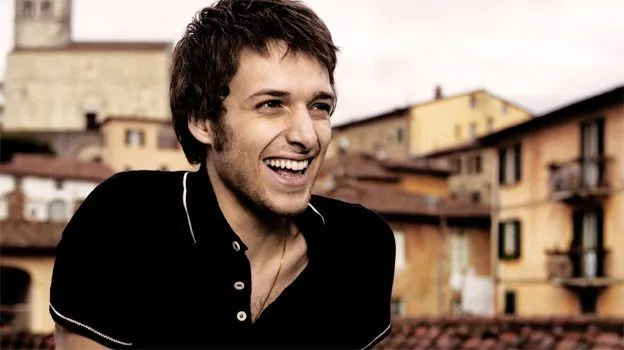
There is also something fitting about the contrast in his story. On one side, you have the bright lights of international music. On the other, the familiar glow of a Paisley chippy, with Alfredo behind the counter and a family business woven into the life of the town. That balance between the global and the local says a lot about Paolo Nutini. He became famous, but never in a way that erased the place he came from.
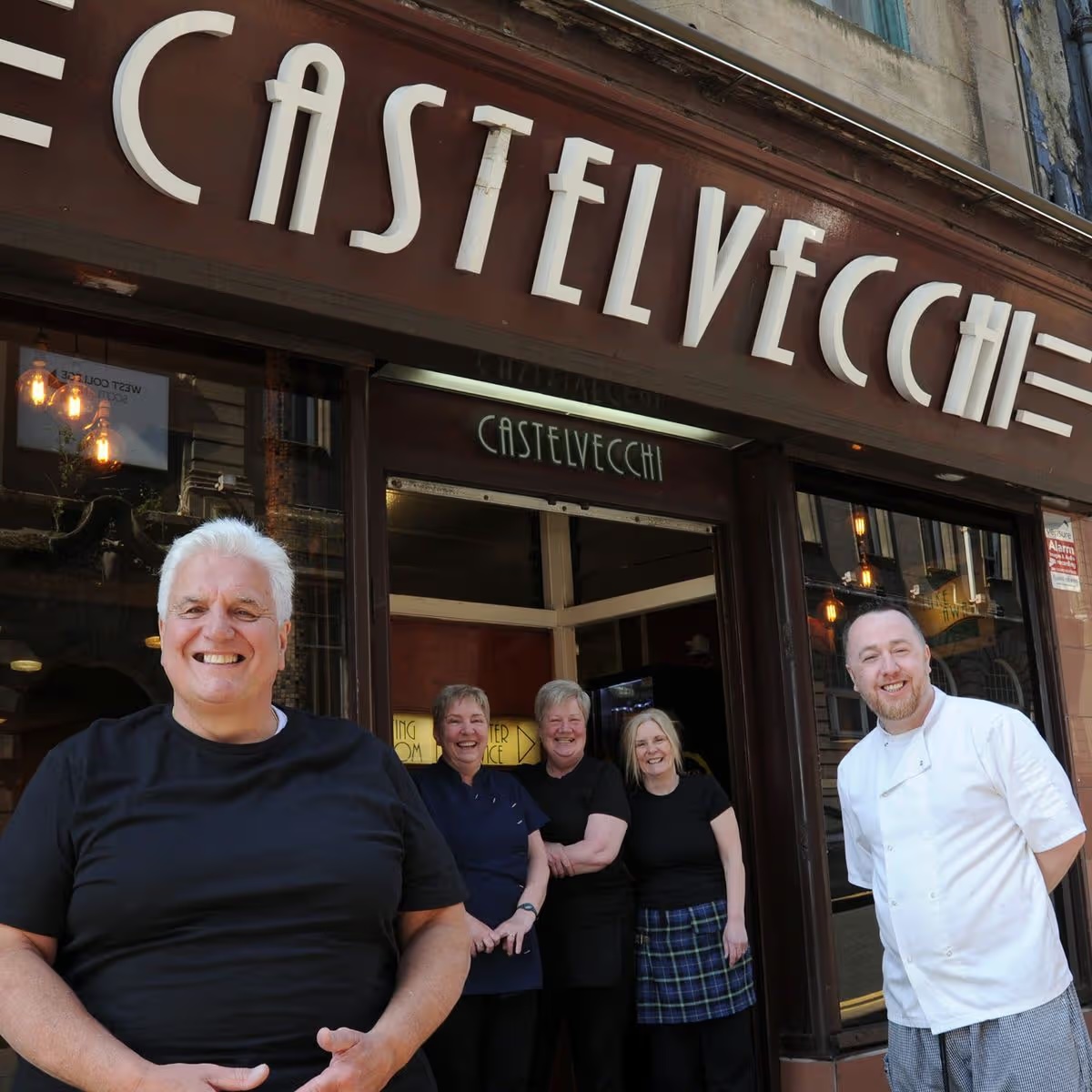
For a page celebrating famous people from Paisley, Paolo Nutini represents more than celebrity. He stands for talent with roots. He reminds us that big voices can come from ordinary streets, and that real success often carries a bit of home with it. In his case, that home is Paisley: proud, hard-working, full of character, and impossible to fake.
That may be why people here still speak about him with a particular kind of warmth. He is not just someone who was born in Paisley. He is someone who still feels like Paisley belongs in his story.