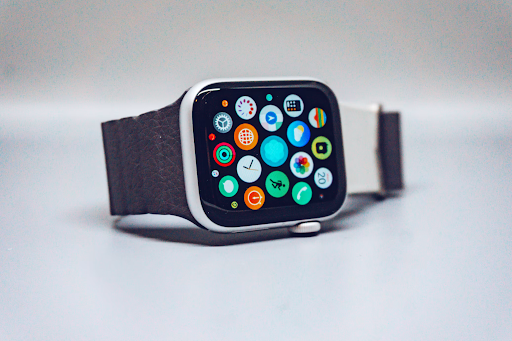
Modern telecare gives older adults practical ways to stay independent while keeping help close at hand. Small wearable devices, home sensors and two-way communication now support daily routines without making a home feel clinical. Some telecare watches can even combine location services, activity monitoring and direct contact with a support centre. For families, the result is a clearer way to respond when something unusual happens, from a missed morning routine to a fall during an evening walk.
Moving Beyond Traditional Alarms
Early personal alarms usually depended on a button connected to a fixed telephone line. Current telecare systems can work throughout the home and outdoors, using mobile networks, GPS and wearable sensors. A person may carry a water-resistant pendant in the shower, wear a device in the garden or use a base unit with two-way voice communication.
Before choosing a service, check where the equipment works and who answers an alert. Ask about mobile coverage, battery life, charging reminders and what happens during a power cut. Automatic fall detection can add support, but no sensor recognises every incident. The device should also feel comfortable enough to wear throughout the day, since equipment left on a bedside table offers little protection elsewhere.
Rapid Assistance in Critical Moments
A quick response matters after a fall, sudden dizziness or unexpected chest discomfort. The World Health Organization’s guidance on falls identifies older adults as having the highest risk of serious injury, which makes a clear response plan especially valuable.
For seniors in Canada, a Canadian medical care alert can connect the user with a 24-hour monitoring centre through a wearable device. Trained staff can speak with the person, contact a family member or request local emergency help according to the situation.
Families should keep contact details, access instructions and relevant health information current. Testing the call button once a month also confirms that the device, speaker and monitoring connection work as expected.
Preserving Privacy Alongside Care
Telecare should support independence without turning everyday life into constant observation. Start with the least intrusive features that address the person’s actual needs. Someone who feels steady at home but worries about walking alone may benefit from GPS-enabled support, while another person may only need a pendant for use around the house. Technology can also help older adults maintain their daily routines and connections, much like digital tools that support medication tracking and communication.
Discuss clearly what information the system collects, who can see it and how long it remains stored. Location tracking should have the older person’s knowledge and agreement wherever they can provide it. Families can also set sensible boundaries around notifications. An alert for a possible fall may require immediate contact, while a low battery message can wait until normal hours.
Equipping Families for the Future
Needs can change gradually, so review the arrangement every six months or after a hospital stay, new diagnosis or change in mobility. Confirm that emergency contacts still live nearby, test communication from different rooms and check that the user can operate the device with cold hands, reduced vision or hearing difficulties.
Keep a simple response plan beside the telephone. It should state who receives routine alerts, who holds a spare key and which neighbour or relative can attend quickly. Avoid assigning every alert to one family member, particularly if that person works shifts or lives far away.
The best system is one that becomes part of an ordinary routine. A pendant worn each morning and charged at a set time is far more useful than a complicated device that feels awkward. Regular, calm practice also means an alert button will feel familiar when help is genuinely needed.