When Three Concordes Graced Glasgow Airport: A Moment in Aviation History
Introduction
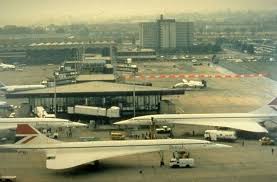
On a remarkable day in September 1974, Glasgow Airport became the focal point of the aviation world when three Concorde aircraft arrived simultaneously—a sight that few in Scotland would ever forget. This convergence of supersonic marvels represented not just a logistical achievement, but a testament to human ambition at the height of the Space Age. For a brief moment, Glasgow stood at the epicenter of cutting-edge aerospace technology, a memory that resonates with aviation enthusiasts and Scottish aviation history to this day.
The Concorde Era: Supersonic Dreams
The Concorde was more than an aircraft; it was a symbol of technological achievement and international cooperation. Developed jointly by British Aircraft Corporation (BAC) and Aérospatiale, with the British and French governments behind the project, Concorde represented the pinnacle of 1960s and 1970s engineering. With its distinctive delta wing and pointed nose, the aircraft could cruise at Mach 2—over twice the speed of sound—cutting transatlantic flight times in half.
By the early 1970s, Concorde operations had begun on scheduled services between London and New York, with occasional demonstrations and visits to airports around the world. These appearances generated enormous public interest and media coverage, as Concorde still commanded fascination as the world's first—and only—supersonic commercial passenger aircraft.
The Day Three Concordes Came to Glasgow
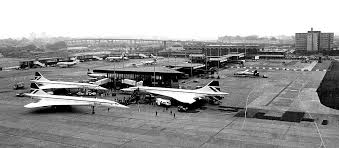
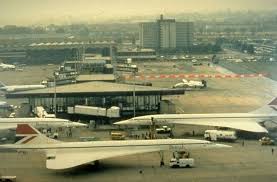
The event that brought three Concordes to Glasgow on September 16, 1974, was part of a coordinated demonstration tour. One Concorde arrived as a scheduled visitor, while two additional aircraft—one British and one French—participated in the demonstration. The arrival created unprecedented excitement at Glasgow Airport, drawing aviation enthusiasts, photographers, engineers, and members of the public eager to witness this extraordinary moment.
The sight of these sleek, white aircraft lined up on the tarmac was extraordinary. Each Concorde stretched 204 feet from nose to tail, their distinctive silhouettes unmistakable. The arrangement allowed for comparative study and provided an opportunity for refueling and crew changes as the aircraft made their way on what was part of a broader tour of British and European airports.
The Logistics and Preparation
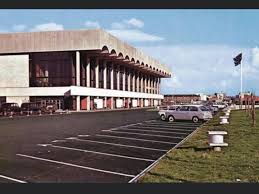
Preparing Glasgow Airport to receive three Concordes was no small undertaking. Airport staff, engineers, and security personnel worked meticulously to ensure the facilities could accommodate aircraft that were unlike anything regularly seen there. The aircraft required specialized ground support equipment, fuel supplies suitable for supersonic operations, and parking arrangements that wouldn't disrupt normal airport operations.
The visit also necessitated significant coordination with customs and immigration authorities, airline crews from both British Airways and Air France, and the extensive media contingent who recognized the historical importance of the moment. News coverage across Scotland and the wider UK highlighted the arrival, with photographs and footage of the three aircraft becoming iconic images of the period.
Public Reception and National Pride
For Glasgow and Scotland, the arrival of three Concordes represented a moment of international prestige and technological pride. Scotland had a proud heritage in shipbuilding, engineering, and industrial innovation—the Concorde visit symbolized that Scotland remained connected to the frontiers of technological advancement, even as the economics of the aerospace industry meant such visitors were rare.
The event drew thousands of spectators to viewing areas around the airport. Schools arranged visits for students. Local media covered the story extensively. For many Glaswegians, it was a once-in-a-lifetime opportunity to see the world's most advanced passenger aircraft in person.
A Fleeting Moment in Time
The visit of the three Concordes was brief—a stopover rather than a permanent establishment at Glasgow. The aircraft soon departed for their next destination, returning to the airports where they would continue their regular commercial and demonstration operations. Yet the memory endured far beyond the few hours they spent on the ground.
The 1974 visit also coincided with a time when Glasgow and Scotland were navigating significant economic and social change. The oil boom in the North Sea was beginning to reshape the Scottish economy. Manufacturing was undergoing transformation. Against this backdrop, the arrival of Concorde—the epitome of modernity and cutting-edge technology—offered a glimpse of a future shaped by innovation and global connectivity.
The Concorde Era in Retrospect
Today, more than fifty years later, no Concorde aircraft fly in commercial service. The last Concorde flight was in 2003, ending an era that had lasted three decades. The aircraft were retired due to changing economics, environmental concerns, and the impact of events like the 2000 crash near Paris, which marked a turning point for the program.
Yet Concorde remains a touchstone in aviation history and in the popular imagination. It represents an era when the boundaries of what was possible seemed limitless, when nations could collaborate on extraordinary projects, and when pushing the technological envelope was both celebrated and achievable.
For those who were in Glasgow in 1974 and witnessed the arrival of three Concordes, the memory stands as a remarkable moment—a glimpse of the future as it was imagined then, a brief visit from aircraft that were transforming how the world connected.
Legacy and Aviation Tourism
Glasgow Airport, which handled the remarkable visit of three Concordes, continues as Scotland's busiest airport outside Edinburgh. While it may not see such extraordinary visitors as the Concorde today, the airport remains an important gateway connecting Scotland to the wider world—a role it has fulfilled since its expansion and modernization in the 1960s and 1970s.
The visit of the three Concordes remains a defining moment in the airport's history, a testament to Glasgow's place on the map of international aviation during one of the most exciting periods in aerospace development.
Conclusion
The day three Concordes came to Glasgow Airport stands as a remarkable moment in Scottish aviation history—a convergence of technological marvel, international cooperation, and local pride. For those who witnessed it, it was unforgettable. For those who came after, the story endures as a reminder of an era when the skies seemed full of possibility, and when a small Scottish airport could, for one extraordinary day, become the focus of the aviation world's attention.
In the decades since, much has changed in aviation and in the world. But the memory of three supersonic aircraft—white, elegant, and impossibly advanced—lined up on the Glasgow tarmac remains a cherished piece of Scottish aviation heritage.