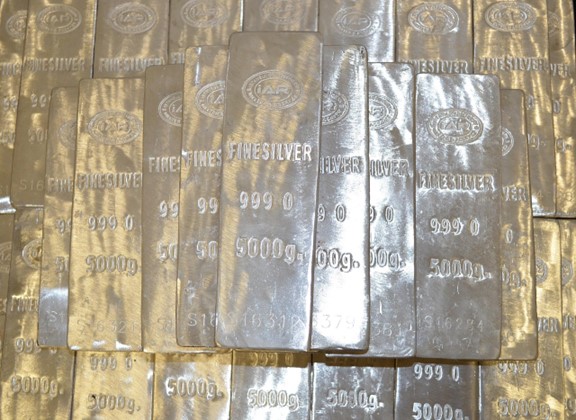
The UK’s transition towards cleaner energy is changing far more than electricity production. It is also influencing demand for important industrial metals, including silver. As renewable technologies expand across Britain, silver is becoming increasingly valuable because of its role in modern energy systems.
The UK’s Renewable Energy Expansion
The British government continues investing heavily in renewable infrastructure as part of its long-term climate strategy. Solar power, offshore wind projects and electric transportation are all expected to play larger roles in the country’s future economy.
This growing focus on clean energy has also increased interest in industrial metals connected to renewable technology. Discussions surrounding the silver price forecast have become more common because silver is used extensively in solar panels, electrical systems and advanced electronic components.
Unlike some raw materials that are mainly linked to construction or manufacturing, silver occupies a unique position. It functions both as a precious metal and as an important industrial material. That combination gives it growing relevance during periods of technological expansion.
Why Silver Matters in Solar Energy
One of silver’s most important industrial uses is in solar panel production. Silver helps conduct electricity within photovoltaic cells, allowing solar panels to convert sunlight into usable power efficiently.
As the UK continues expanding solar energy projects, demand for materials used in panel manufacturing could also rise. Although manufacturers constantly search for ways to reduce silver usage per panel, overall demand may still increase if global solar adoption continues accelerating.
Britain’s renewable energy ambitions support this trend. Rooftop solar systems, commercial installations and large-scale energy farms all require advanced electrical materials. Silver’s conductivity makes it difficult to replace entirely in many applications.
This connection between renewable energy and industrial demand has helped change how many investors view silver. It is no longer seen only as a defensive asset or jewellery material. Increasingly, it is becoming associated with future technologies.
Electric Vehicles Could Add More Demand
The UK’s shift towards electric vehicles may also contribute to higher silver consumption over time.
Electric cars contain significantly more electronic components than traditional petrol vehicles. Silver is used in connectors, switches, battery systems and charging infrastructure because it conducts electricity extremely well.
The British government’s long-term support for electric vehicle adoption could indirectly support silver demand through expanding charging networks and automotive production.
As transport systems become more electrified, industrial metals that support electrical efficiency may become increasingly important. Silver benefits from this trend because modern energy systems rely heavily on reliable conductivity.
This creates an interesting situation where environmental policies and industrial demand become closely connected.
Offshore Wind and Energy Infrastructure
Britain remains one of the global leaders in offshore wind energy. Massive wind farms located around the UK coastline continue supplying increasing amounts of electricity to homes and businesses.
While wind turbines themselves do not use silver as heavily as solar panels, the wider electrical infrastructure surrounding renewable energy systems still depends on conductive materials and advanced electronics.
Grid modernisation is becoming another important factor. Renewable energy requires updated transmission systems capable of managing fluctuating power generation from wind and solar sources.
As Britain upgrades its energy infrastructure, demand for electronic components and specialised technologies may continue rising. Silver often plays a supporting role in these systems because of its reliability and conductivity.
Technology Growth Supports Industrial Metals
Silver demand is not only connected to renewable energy. The broader expansion of technology across the UK economy may also contribute to industrial consumption.
Data centres, telecommunications systems and advanced electronics all require highly conductive materials. As artificial intelligence, cloud computing and digital infrastructure continue expanding, industrial demand for silver could remain strong.
Modern economies increasingly depend on electricity-intensive systems. Whether through renewable energy, electric transport or digital infrastructure, many technologies rely on efficient electrical performance.
This wider industrial role separates silver from some other precious metals. Gold, for example, is often associated more closely with wealth preservation and investment demand. Silver, however, sits at the intersection of technology, manufacturing and investment markets.
That balance makes it particularly sensitive to economic and industrial trends.
A Metal Linked to the Future Economy
Silver’s role in the modern economy continues evolving. What was once viewed primarily as a precious metal is now increasingly tied to renewable energy, electrification and technological development.
The UK’s push towards greener infrastructure highlights this transformation clearly. As Britain invests in cleaner power systems, electric transport and modern digital infrastructure, industrial demand for conductive materials may continue growing alongside it.
For silver, that creates a very different long-term story than in previous decades. The metal is no longer connected only to coins, jewellery or safe-haven investing. It is becoming part of the broader conversation surrounding the future of energy and technology.